XpertSea offers an AI-powered data management platform for aquaculture, providing real-time insights to improve efficiency and sustainability. The platform helps farmers optimize operations and make data-driven decisions for better yields and resource management.
Find Investable Startups and Competitors
Search thousands of startups using natural language—just describe what you're looking for
Fishing And Aquaculture Startups in Canada
50 companies matched by StartupSeeker’s semantic search. Average reported funding: $8.1M.
Snapshot from
The startup offers a production management platform that aggregates and analyzes data from aquaculture operations to enhance operational efficiency. By utilizing mathematical and nutritional models, the platform optimizes feeding practices and computes performance metrics, enabling cultivators to automate monitoring and increase harvest yields at lower costs.
The startup develops an artificial intelligence software solution for the aquaculture industry that optimizes feed efficiency and automates fish weight measurements. By accurately counting fish during transfer processes, the technology reduces labor costs and minimizes stress on fish, enhancing overall operational efficiency in fish farming.
This startup develops cellular agriculture technologies to produce sustainable cell-cultured seafood by cultivating fish stem cells. Their approach eliminates the need for overfishing and reduces contaminants like mercury and microplastics, providing a cruelty-free and environmentally friendly source of seafood.
ThisFish leverages digital traceability and data analytics to enhance profitability and sustainability in the seafood industry. By providing transparent supply chain insights, the company addresses inefficiencies and promotes responsible sourcing practices.
This startup produces plant-based seafood substitutes that replicate the texture, flavor, and nutritional profile of traditional seafood using proprietary formulation techniques. By providing whole-muscle alternatives, the company caters to the growing demand for sustainable and ethical food options while addressing concerns over overfishing and marine ecosystem degradation.
This startup produces insect meals using advanced insect breeding technology to create high-nutritional-value protein sources for livestock, including fish and poultry. By converting organic waste into sustainable feed, the company addresses the dual challenges of food waste and the need for alternative protein sources in the agri-food sector.
Sensoreal Inc. develops microfluidics-based diagnostic devices that utilize passive capillary action to perform rapid, semi-quantitative immunoassays for toxins in shellfish. Their technology provides lab-grade precision at the point of care, reducing diagnostic costs and time while enhancing accessibility for in-vitro diagnostics.
Kelp Island manufactures SeaBrick, an interlocking, buoyant building material made primarily from kelp biomass, designed to replace concrete and steel in marine infrastructure. This technology addresses the high carbon emissions associated with traditional construction materials while promoting economic empowerment in vulnerable coastal communities through sustainable kelp farming.
Seahawk Robotics develops drones that operate above, at, and underwater to gather real-time, high-resolution ocean data. This technology provides marine researchers and environmental monitors with critical information that is often challenging to obtain through conventional data collection methods.
This company produces real meat identical to conventional products through cellular agriculture, eliminating the need to raise and slaughter whole animals. They cultivate meat from cell samples grown in controlled environments to offer a sustainable alternative to traditional animal farming. This process also allows for the cultivation of novel and exotic meat options previously unavailable for consumption.
This startup operates commercial-scale vertical farms that utilize hydroponic systems to grow high-quality leafy greens, significantly reducing water usage and greenhouse gas emissions. By supplying local and national retailers with reasonably priced produce, the company eliminates reliance on imported greens and enhances the sustainability of the fresh food supply chain.
This startup produces vegetables and herbs using hydroponics and vertical farming techniques to provide sustainable food options in Newfoundland. By offering subscription-based products like microgreens and various herbs, the company helps residents improve their health while minimizing their environmental impact.
Mara Renewables manufactures DHA‑rich oil from a proprietary marine microalgal strain in a closed, FSCC 22000‑accredited facility. The solvent‑free extraction yields a pure, Halal and Kosher certified product that can be used in nutraceuticals, fortified foods, and animal feed, offering a traceable and sustainable alternative to fish‑derived omega‑3. The scalable bioprocess provides consistent batch quality with a lower carbon footprint.
The startup develops biofiltration technologies for the aquaculture industry, specifically utilizing algae biofilters to enhance water quality in oyster farming. By removing harmful elements from water and generating valuable byproducts, the company enables aquafarmers to minimize chemical use and reduce environmental impact.
The startup develops wave-powered desalination systems that utilize wave energy to drive water through filters and reverse osmosis membranes, producing freshwater without electricity or land use. This technology provides a sustainable drinking water source for private islands and coastal communities, ensuring low maintenance and significant cost savings.
This startup produces insect protein products for pet food by rearing black soldier fly larvae on organic by-products, utilizing a sustainable process that requires less land, water, and emits fewer greenhouse gases than traditional protein sources. By transforming waste into high-quality insect feed, the company provides pets with essential nutrients while minimizing the environmental impact of animal feed production.
This startup operates a restorative aquaculture venture that removes overgrazing sea urchins from barren seafloors and ranches them in proprietary systems to produce premium seafood. By restoring kelp forests, the company addresses the ecological imbalance caused by sea urchin overpopulation while providing high-quality sea urchins to restaurants globally.
Kraken Sense develops an automated pathogen detection platform that utilizes the KRAKEN™ system for real-time monitoring of bacterial, viral, and chemical contaminants, providing results within one hour without manual intervention. Their CALYPSO™ platform streamlines DNA and RNA library preparation for sequencing, achieving sample readiness in two hours, thereby minimizing human error and enhancing operational efficiency in various industries.
AgriFORCE develops integrated agricultural technologies that utilize automated grow systems, AI, and micropropagation to enhance crop yields while minimizing resource use and environmental impact. The company addresses challenges in sustainable farming by providing optimized growing conditions and efficient nutrient delivery, significantly reducing water consumption compared to traditional methods.
Whale Seeker develops AI-powered tools for real-time and aerial detection of marine mammals, utilizing advanced image analysis and infrared technology to enhance monitoring efficiency. Their solutions address the challenges of observer bias and human error in marine mammal detection, providing accurate data for conservation and compliance in marine industries.
Growcer manufactures modular vertical hydroponic systems designed for year-round food production in diverse climates, utilizing deep water culture technology to maximize yield and minimize resource use. These systems address the challenges of limited agricultural land and water scarcity by enabling hyper-local food production with reduced environmental impact.
The startup develops alternative protein sources by utilizing protein-yielding yeast strains and efficient bioprocesses in capital-light fermentation facilities. This approach produces nature-identical animal proteins at a low cost, addressing the demand for affordable and sustainable protein options in food and human health.
BinSentry provides IoT-enabled bin sensors that monitor feed inventory levels in real time, allowing for precise management of feed resources. This technology addresses issues such as feed waste, outages, and inaccurate budgeting, resulting in significant cost savings and improved operational efficiency for animal producers and feed mill operators.
ENVGO develops electric hydrofoil boats utilizing aerospace engineering and AI-native platforms for marine mobility. Their NV1 model offers zero-emission operation, providing a faster, safer, and four times more efficient alternative to conventional marine vessels. The company focuses on advancing sustainable boating through high-performance, intelligent watercraft design.
Aquarius develops sustainable fishing technologies that enhance the efficiency of bottom trawling while minimizing ecological damage to marine ecosystems. The company aims to improve the profitability of commercial fishermen by reducing the destructive impact of traditional fishing methods on fish populations and habitats.
Ashored develops rope-on-command fishing gear that utilizes Modular Ocean Based Instruments (MOBIs) to prevent whale entanglement and reduce ocean pollution by keeping fishing lines on the ocean floor until retrieval. This technology addresses the annual death of 140,000 marine animals due to entanglement in traditional fixed-gear fishing methods, promoting sustainable fishing practices for future generations.
Glas Ocean Electric (GOE) offers the HyMarine Electric Conversion Kit, which transforms commercial vessels into hybrid electric systems, allowing them to operate primarily on electric power while retaining the original diesel engine as a backup. This conversion reduces fuel consumption and maintenance costs by 50-70%, while also lowering emissions and noise levels, enhancing both operational efficiency and passenger experience.
The startup develops commercial LED lighting products that utilize spectra-changing illumination technology to enhance plant growth in controlled environments. Their solutions significantly lower fresh water and land usage while improving crop yield and quality for technology and aerospace firms.
The startup operates a bioluminescent light platform that harnesses biochemical reactions in engineered organisms to produce sustainable light. This technology aims to eliminate toxic chemical waste from traditional lighting methods, providing an eco-friendly alternative for commercial applications.
EcoMarine Technologies develops the OmniBot ROV, a non-contact cleaning system utilizing cavitating jets to efficiently remove biofouling from ship hulls and other surfaces, preventing fuel efficiency losses of up to 48%. The technology also filters and eliminates invasive species, protecting local ecosystems from potential harm caused by maritime transport.
CarbonRun develops technology to enhance natural carbon sequestration processes in rivers, helping to remove carbon dioxide from the atmosphere. Their solutions also aim to protect and improve aquatic ecosystems.
eDNAtec utilizes environmental DNA (eDNA) technology and the EnviroSeq® Genomics Workflow to analyze biodiversity and ecological health across various ecosystems. By providing precise and reliable data on species distribution and ecosystem dynamics, eDNAtec supports informed decision-making for ocean-based enterprises and environmental stewardship.
The startup manufactures a natural feed additive that significantly reduces enteric methane emissions from cattle, addressing the environmental impact of livestock farming. By incorporating this additive into cattle diets, farmers can enhance sustainable agricultural practices while lowering greenhouse gas emissions.
FeedFlo offers the world's only on-pipe feed sensor that provides real-time data on feed delivery to livestock, ensuring optimal feeding and growth. By preventing out-of-feed events through immediate alerts and consumption insights, FeedFlo enhances operational efficiency and profitability for agricultural producers.
OnDeck develops artificial intelligence software for automatic fisheries monitoring, providing real-time data on marine life and fishing activities without the need for labeled data. This technology addresses the issue of unreported catch, which accounts for 30% of all fish caught at sea, by making monitoring more scalable and affordable for governments and commercial fishers.
The startup has developed a ropeless crab fishing technology that utilizes underwater acoustic signals to locate and retrieve crab traps, minimizing the impact on marine ecosystems. This method reduces entanglement risks for marine wildlife and enhances the working conditions for fishermen by eliminating the need for traditional buoyed traps.
BlueGrid transforms electric marine vessels into virtual power plants by enabling bidirectional energy flow between the vessels and the electric grid, allowing them to store and supply energy based on demand. This technology reduces reliance on fossil fuels and minimizes the need for stationary energy storage, facilitating the integration of renewable energy sources into the grid.
GC Lipid Tech utilizes genetically engineered microalgae to produce high-value marine metabolites, addressing the need for sustainable sources of energy, food, and medicine. By harnessing the unique biochemical capabilities of microalgae, the company aims to provide eco-friendly alternatives to traditional resource extraction methods.
Freshr Technologies develops FreshrPack™, a sustainable active packaging solution that utilizes naturally-derived anti-bacterial agents to extend the shelf life of fresh seafood. This technology addresses the global issue of 10-16 million tonnes of fish wasted annually, primarily at the processing and distribution stages, by reducing organic waste and reliance on traditional plastics.
Coastal Carbon utilizes artificial intelligence and remote sensing technology to verify and monitor blue carbon projects globally, ensuring accurate data collection and analysis. This approach addresses the challenge of tracking carbon sequestration in coastal ecosystems, providing reliable metrics for climate action initiatives.
This startup specializes in creating human-grade pet food, treats, supplements, and topical creams using seafood by-products sourced from Atlantic Canada and Iceland. By employing biotechnological methods, the company enhances pet health through high-quality nutrition while minimizing waste from the seafood industry.
The startup provides a wastewater treatment system that integrates proprietary hardware and software to efficiently filter industrial wastewater while adhering to environmental health and safety standards. This technology enables businesses to implement tailored treatment solutions for various waste types, ensuring compliance and operational efficiency.
The startup operates an artificial intelligence-driven platform that monitors water quality by identifying harmful organisms and quantifying algae types in real time. This technology provides clients with critical data to enhance sustainable food production and protect aquatic ecosystems.
The startup provides industrial-grade life support systems, net pen construction, and mooring equipment specifically designed for aquaculture salmon farming. Their technology enhances fish welfare and minimizes environmental impact, enabling farmers to efficiently produce sustainable protein for the global market.
This startup operates a pesticide-free, non-GMO urban vertical farm that utilizes robotics, IT, big data, and AI to cultivate premium crops in a controlled environment. By providing fresh and nutritious produce to the wholesale and chain store market, the company addresses the demand for chemical-free food in urban areas.
GreenSage Prebiotics develops and applies coconut-derived prebiotics specifically for the aquaculture industry, companion animals, and human health. The company aims to enhance health across the food chain while reducing reliance on antibiotics for growth promotion in these sectors.
The startup manufactures single-cell protein for livestock and aquaculture feed by gasifying heavy hydrocarbons in situ, producing low-cost synthesis gas and hydrogen without CO2 emissions. This process contributes to forest restoration, reduces atmospheric CO2 levels, and supports sustainable food production for a growing global population.
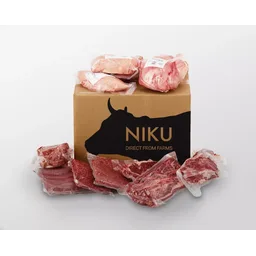
Niku Farms connects consumers with local farms offering pasture-raised and grass-fed meats and fish. The platform provides customizable subscription boxes for direct-to-door delivery, ensuring transparency in farming practices and supporting local food systems.
Marine Thinking develops autonomous surface vehicles (USVs) equipped with advanced AI and robotic technologies for marine surveying and environmental monitoring. Their solutions address the need for efficient, zero-emission operations in the marine industry, enabling single operators to manage payloads of up to 500 kg over stable ranges.