This startup manufactures mechanical robots that autonomously identify and remove weeds from crops without the use of herbicides. By providing a chemical-free weeding solution, the technology enables farmers to minimize reliance on chemical pesticides, promoting sustainable agricultural practices.
Find Investable Startups and Competitors
Search thousands of startups using natural language—just describe what you're looking for
Robotic Weeder Startups
50 companies matched by StartupSeeker’s semantic search. Average reported funding: $37.3M.
Snapshot from
This startup offers a lightweight agricultural robot that uses AI-powered optical sensors to identify and remove weeds from crops like sugar beets and salads. The robot's design allows for earlier operation on drying ground compared to heavier machinery, enabling more efficient and timely weed control.
Carbon Robotics develops the LaserWeeder, a robotic system that utilizes AI, deep learning, and high-precision lasers to identify and eliminate weeds with sub-millimeter accuracy. This technology significantly reduces labor costs and enhances crop yield by automating the weeding process, providing farmers with a reliable and efficient solution for weed management.
Agrovai Robotics provides autonomous field robots that use AI‑driven computer vision and multi‑spectral imaging to detect and mechanically remove weeds with centimeter‑level precision. The robots stream geo‑tagged weed maps and crop‑health analytics to a cloud dashboard and offer API integration with existing farm management platforms, helping large‑scale growers lower herbicide usage and labor costs. Units are sold or leased, with optional subscription fees for analytics, software updates, and data services.
This company provides a fully automated, cost-effective robotic solution for agricultural weeding. The system reduces the need for manual labor, expensive herbicides, and traditional machine weeding methods. This technology offers farmers a reliable alternative for sustainable crop maintenance.
Aigen deploys autonomous, solar-powered robot crews that patrol agricultural fields daily to eliminate weeds using AI vision and precision striking. These durable, all-wheel drive robots operate without chemical inputs across various terrains and conditions. The intelligent mesh network allows the fleet to communicate and adapt, providing fully autonomous weed management for scalable farming operations.
This company develops autonomous robotic solutions specifically for organic farming operations. Their core offering includes AI-powered robots for precise weed management, plant health monitoring, and essential field tasks like seeding and cultivation. These systems aim to increase yield by up to 30% while reducing chemical use and optimizing resource management for sustainable agriculture.
DynamoBot provides precision weed management for arable farms through two products: the WeSee retrofit kit, which adds an AI‑driven multi‑spectral vision module to existing spray booms to identify weeds with >97 % accuracy and trigger spot‑spray only on those plants; and the WeWeed Robotics‑as‑a‑Service platform, which deploys autonomous units that mechanically, chemically, or electrically treat weeds on a per‑plant basis using onboard inference. Both solutions log treatment data to a cloud analytics layer for compliance reporting and continuous model improvement, enabling up to 80 % reduction in herbicide use and lower labor costs.
FarmWise develops AI and computer vision technology for autonomous weeding and precision cultivation in agriculture. Their Vulcan system offers intra-row weeding capabilities to optimize weed removal across various field conditions and crop stages. This technology helps growers increase productivity and reduce operational costs through automated precision farming.
FarmDroid FD20 is a solar-powered autonomous robot that utilizes RTK GPS technology for precise seeding and mechanical weed control, achieving an accuracy of 8 mm. It reduces the need for manual labor and chemical use in agriculture, offering a payback period of as low as one year through increased crop yields and minimized weeding costs.
Verdant develops the Sharpshooter Precision Application System, an AI-powered technology that weeds, thins, and fertilizes crops with millimeter precision. This system significantly reduces chemical input usage by over 96% and decreases hand weeding costs by an average of 65%, enhancing operational efficiency in high-density farming.
AgroRobot provides tractor‑mounted hydraulic weeders and inter‑row cultivators that use high‑resolution stereo cameras and GPS/RTK for autonomous, row‑precise weed removal and soil aeration across row‑cropped farms. The system streams performance data to a cloud dashboard for fleet monitoring, predictive maintenance, and subscription‑based analytics, reducing labor costs and improving yield consistency.
Electric Sheep is a robotics company that integrates AI-driven automation into the landscaping industry, utilizing proprietary robots to perform labor-intensive tasks like mowing. By enhancing operational efficiency, Electric Sheep addresses the low-margin challenges faced by traditional landscaping businesses, enabling them to scale and improve profitability.
The startup develops a robotic farming system that integrates crop and soil monitoring with precision feeding and weeding technologies to enhance agricultural efficiency. By optimizing fertilizer application and minimizing chemical use, the system aims to increase farm outputs while reducing environmental impact.
Blue River Technology provides autonomous field robots that use high‑resolution vision and machine‑learning to detect weeds and apply variable‑rate herbicide only where needed, cutting chemical usage by up to 90 %. The robots navigate rows autonomously, process data on‑board, and upload treatment maps to a cloud platform that offers analytics, compliance reporting and API integration with farm‑management systems.
VitiBot designs and manufactures autonomous electric vineyard robots, known as Bakus, that perform essential tasks in narrow and wide vine rows. These robots help viticulturists reduce reliance on herbicides, lower operational costs, and enhance productivity by automating repetitive vineyard maintenance activities.
S-A-M Technology develops modular, AI-controlled, lightweight robots designed for autonomous operations in agriculture. These electric, CO2-neutral carriers perform tasks such as seeding, weeding, watering, fertilizing, picking, and transport for corn, grape, and fruit cultivation. The system utilizes IoT devices and high-volume production hardware to offer scalable solutions addressing labor shortages and reducing environmental impact in farming.
AgriBotX develops precision robotics solutions for modern agriculture, focusing on autonomous functions like weeding, soil sampling, and targeted pest control. These AI-powered systems enhance operational accuracy, maximize crop yields, and promote sustainable farming practices. The technology delivers data-driven insights to optimize resource use and improve overall farm profitability.
This startup develops agricultural robotic technology that utilizes artificial intelligence and computer vision to create precision sprayers capable of identifying diseased plants and weeds. By targeting only affected areas, the technology reduces weeding costs for cotton farmers and minimizes chemical residue on consumable crops.
AutonomousAgriSolutions provides autonomous robotic platforms on a Robotics-as-a-Service basis that automate weed control, seeding, and harvesting for commercial farms. By combining AI-driven sensor data with precision‑ag tools, the system lowers labor and input costs, reduces environmental impact, and boosts crop productivity.
Provides AI-powered machine vision and automation tools for precision weeding and cultivating in agriculture, using deep learning algorithms to achieve 99% accuracy in plant identification without field-specific training. Reduces labor requirements by 96% and increases operational efficiency, covering 1-2 acres per hour while optimizing crop yield and reducing risks associated with manual labor.
This company provides automated, herbicide-free dock weed control services for grassland using specialized robots. Their platform allows users to schedule deployments, after which the robots mechanically remove weeds and perform reseeding. This service offers significant time savings and supports compliance with EU organic regulations.
Novabot develops autonomous robotic lawn mowers that utilize AI vision for navigation. These devices eliminate the need for boundary wires, offering users automated, hands-free lawn maintenance. The product line provides various models designed for efficient and reliable yard care.
GuardenAI offers autonomous, solar‑powered robots that use AI‑driven vision and ultra‑fine laser targeting to detect and eliminate agricultural pests without chemical pesticides. The robots navigate rows with GPS‑enhanced SLAM, receive over‑the‑air updates for continual learning, and enable customers to reduce labor, pesticide costs, and environmental impact while protecting crops.
Ecorobotix offers an AI‑driven ultra‑high‑precision field sprayer that uses real‑time computer vision and deep‑learning classification to identify crops and weeds and apply micro‑doses only where needed. The compact unit mounts on standard tractor PTO, reduces herbicide use by up to 95 % and provides georeferenced treatment data for analytics and compliance reporting.
Robin Autopilot utilizes electric-powered robotic mowers to provide lawn care services that significantly reduce air and noise pollution. This approach contributes to environmental sustainability by minimizing the carbon footprint associated with traditional gas-powered lawn equipment.
NOBO Robotics develops advanced robotic systems designed for complex industrial automation tasks. Their solutions integrate sophisticated sensor fusion and machine learning to enhance operational efficiency and precision in manufacturing environments. The company provides scalable hardware and software platforms that streamline production workflows for enterprise clients.
Cha Robotics develops AI-driven autonomous robots to address labor shortages and enhance industrial efficiency. The company offers specialized platforms for agricultural automation and general autonomous systems utilizing LiDAR sensors for navigation. Their core technology includes dual-arm mobile manipulators capable of complex task automation in agriculture, manufacturing, and logistics.
This company likely develops automated systems or software related to monitoring or managing bird habitats. The core offering probably involves using technology, possibly robotics or IoT, to enhance ecological observation or conservation efforts. It provides data-driven insights for ornithology or wildlife management applications.
Greenzie provides self-driving software for commercial lawn mowers, utilizing proven robotic sensor hardware to enhance productivity and safety in landscaping operations. By automating repetitive mowing tasks, Greenzie-equipped mowers enable crews to focus on additional work, increasing overall efficiency and profitability.
Commercial farms face high pesticide usage, which raises environmental concerns, degrades soil health, and incurs regulatory compliance costs. Detecting and treating crop pests early often requires labor-intensive scouting and imprecise chemical applications, limiting sustainability and profitability. BST delivers an autonomous field robot that continuously patrols crop rows, using edge‑trained computer‑vision models to identify pest infestations at the plant level.
Lanjiang Technology develops agricultural robots designed for efficient field planting management, utilizing precision automation to enhance planting accuracy and reduce labor costs. The technology addresses the challenges of labor shortages and inconsistent planting quality in modern agriculture.
Pomasa provides an autonomous hoeing system for row‑crop farms that uses high‑speed cameras, computer‑vision algorithms, and multi‑sensor fusion to detect crop rows and adjust hoe depth in real time. The machine operates up to 5 km/h, integrates with farm‑management platforms via an open REST API, and includes a cloud analytics dashboard for performance monitoring and agronomic insights. Revenue is generated through hardware sales plus subscription fees for cloud analytics, reporting, and support services.
AIRSEEKERS sells autonomous robotic lawn mowers that use AI‑driven vision, RTK navigation, and a multi‑blade mulching system to cut grass on complex, sloped yards. Users map their property and set cutting schedules through a mobile app, while the mower navigates, avoids obstacles, and returns to its charging dock automatically.
Finite Robotics is developing autonomous orchard robots that enhance fruit production efficiency by automating tasks such as planting, pruning, and harvesting. This technology aims to increase the availability of affordable and sustainable food while reducing labor costs for growers.
The startup utilizes robotics and artificial intelligence to optimize agricultural processes, enhancing crop monitoring and resource management. By automating tasks such as planting and harvesting, the company reduces labor costs and increases yield efficiency for farmers.
Dogtooth Technologies offers autonomous robotic harvesting solutions for commercial growers, addressing labor shortages with automated picking for glasshouse and polytunnel operations. Their system provides real-time yield and quality data, enabling efficient, continuous harvesting and optimized crop management.
Neptune Robotics manufactures AI-powered underwater drones that perform robotic hull cleaning and inspection using cavitational technology to maintain vessel efficiency. Their services help maritime enterprises reduce fuel consumption and carbon emissions, contributing to sustainability goals in the industry.
This company supplies autonomous robotic lawn mowers designed for efficient, low-effort grass maintenance in Australian climates. Their electric mowers feature advanced navigation, weather resistance, and customizable scheduling for consistent lawn care. The products offer a convenient, quiet, and eco-friendly alternative to traditional petrol-powered mowing.
This startup provides agricultural automation services using robotics and artificial intelligence to perform critical harvesting tasks. By reducing reliance on manual labor, the company helps farmers lower operational costs and enhance efficiency while promoting sustainable farming practices.
Four Growers develops robotic harvesting technology specifically for greenhouse crops like tomatoes, peppers, and cucumbers, integrating plant analytics to enhance crop management. Their solution reduces production costs by automating harvesting, performing quality checks, and efficiently storing produce.
Hugo Green Solutions provides autonomous field robots that perform targeted monitoring, precision pesticide and biostimulant application, and precision seeding, as well as a photostimulation system that enhances seed and seedling growth. The company also offers soil‑sample analysis, consulting, and training services, generating revenue from hardware sales, consumable kits, and fee‑based analytical and advisory services.
Advanced Farm Technologies develops robotic harvesters specifically designed for vertical wall trellis systems, providing a cost-effective alternative to manual labor in apple and strawberry harvesting. Their technology enhances farm productivity and safety by automating labor-intensive tasks, addressing labor shortages in the agricultural sector.
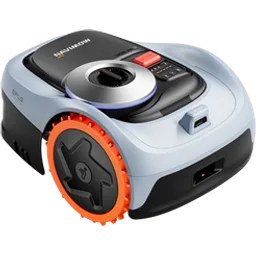
Segway Navimow develops a range of wire-free robotic lawn mowers for residential and commercial turf management. These autonomous mowers utilize advanced navigation technologies like LiDAR and AWD capabilities to maintain lawns efficiently. The company offers various series tailored to different yard sizes and complexity, providing automated lawn care solutions.
Mata provides an autonomous robot system that performs precision fruit thinning on orchards using computer‑vision, AI algorithms and laser‑based removal. The robot operates without human labor, handling up to five acres per day to control fruit quantity and size according to farmer‑defined market specifications, thereby increasing yield consistency and profitability. Mata monetizes the technology through equipment sales or leasing contracts and optional software services for data analytics and algorithm customization.
This robotics company develops specialized agricultural robots designed to automate labor-intensive tasks in specialty crop production. By enhancing operational efficiency, these robots address the labor shortage and high costs associated with traditional farming methods.
This company develops autonomous farming robots designed to serve as a next-generation workforce for the food industry. These robotic systems enhance agricultural productivity through automation of field tasks. The core value lies in increasing farm profitability by optimizing labor and operational efficiency.
Telexistence develops remote-controlled and AI-driven robots specifically designed for the retail sector, utilizing advanced robotic arms for precise product handling. These robots address labor shortages and enhance operational efficiency by enabling remote management of inventory and customer interactions.
Meinong Robot develops and provides cost-effective smart agriculture solutions centered on robotics technology. The company offers specialized equipment such as picking robots, agricultural transport robots, and versatile robot chassis designed for complex field operations. These solutions aim to increase investor returns, reduce manual labor intensity, and minimize agricultural product loss.
This startup develops an autonomous robot platform equipped with computer vision and machine learning to predict crop maturity and perform precision harvesting. By selectively harvesting labor-intensive crops, the technology minimizes damage and enhances local produce yield, ensuring freshness for farmers.