Vioneo produces fully fossil-free polypropylene (PP) and polyethylene (PE) using green methanol feedstock. These drop-in polymers offer identical virgin quality and performance to conventional plastics, enabling manufacturers to reduce their carbon footprint without process modifications.
Find Investable Startups and Competitors
Search thousands of startups using natural language—just describe what you're looking for
Plastics And Rubber Products Startups in Switzerland
49 companies matched by StartupSeeker’s semantic search. Average reported funding: $5.2M.
Snapshot from
DePoly provides a chemical recycling process that converts unsorted, contaminated PET and polyester waste into virgin-grade PTA and MEG feedstocks. These recycled precursors enable manufacturers to produce new plastics without relying on fossil fuels, reducing landfill and incineration volumes. The technology serves participants across the PET supply chain, offering both waste‑handling and recycled‑material solutions.
kooky provides a circular infrastructure for reusable food packaging, featuring smart cups and return boxes equipped with RFID technology, along with a washing service for offices. This system reduces the reliance on single-use cups, significantly lowering waste and carbon emissions while enhancing workplace sustainability.
Antefil produces hybrid glass reinforcement fibers that are individually coated with a meltable, recyclable thermoplastic, eliminating the need for separate resin infusion. This microengineered material enables the rapid, high‑volume manufacturing of energy‑efficient lightweight composites with a net‑zero footprint. The solution offers manufacturers a scalable, cost‑effective alternative to traditional unrecyclable resin systems.
Composite Recycling provides thermolysis-based recycling services for glass andcarbon fiber reinforced plastics, converting waste into reclaimed oil and fibers suitable for high-performance composites. The company offers mobile recycling units, recyclability testing, and advisory services to help manufacturers integrate recycled content and reduce emissions. Their reclaimed materials enable circularity in the composite sector, supporting decarbonized supply chains.
Bcomp supplies high‑performance natural‑fibre composite materials—ampliTex™ technical fabrics and powerRibs™ reinforcement grids—made from cradle‑to‑gate CO₂‑neutral flax fibers. These bio‑based, PP‑based composites can be processed with standard composite manufacturing methods, delivering up to 50% weight reduction, up to 85% lower embodied carbon, and a monomaterial solution that can be recycled into new injection‑moulded parts.
Bloom Biorenewables converts sustainably sourced biomass into high‑purity lignin, hemicellulose, and cellulose derivatives using its aldehyde‑assisted fractionation technology. These biopolymers serve as functional additives—such as antioxidants, UV blockers, antimicrobial agents, white pigments, and low‑VOC solvents—that can replace petro‑derived inputs in cosmetics, homecare, paints, coatings, and polymer manufacturing while maintaining or improving performance.
The startup manufactures hygienic water taps that utilize advanced filtration technology to provide both still and sparkling water, with capabilities to heat and chill. These taps deliver clean drinking water solutions for restaurants, offices, and homes, reducing reliance on single-use plastic bottles and promoting environmental sustainability.
qCella provides ultra‑thin, flexible heating mats made from copper‑functionalized cellulose fibers that deliver radiation‑based cabin heating for electric vehicles. The mats improve heating efficiency by up to 50% and can extend vehicle range by 10–25% in cold weather, while being produced with low‑cost, scalable paper‑making processes and customizable to any interior surface. The same copper‑cellulose composite can also serve as a conductive additive for specialty paper and polymer compounds, enabling applications such as electromagnetic shielding and low‑maintenance process heating.
9T Labs utilizes Additive Fusion Technology™ (AFT™) to manufacture high-performance carbon fiber composite parts through a three-step process: design optimization with fibrify® software, part building, and fusion for enhanced layer bonding. This technology enables the production of lightweight, durable components with up to 70% weight reduction compared to metals, while minimizing waste and allowing for scalable manufacturing in various industries.
InkVivo Technologies provides a proprietary polymer platform that enables controlled, localized, and sustained release of both small‑molecule and biologic drugs via oral (GARDS gastroretentive) and injectable (SHEALD) routes. By combining advanced biomaterials with data‑driven formulation design and scalable manufacturing, the company helps pharmaceutical and nutraceutical partners improve bioavailability, reduce dosing frequency, and minimize side effects, supporting product differentiation and lifecycle extension.
Provides on-demand silicone 3D printing services using silicone additive manufacturing to produce isotropic, high-precision parts without molds. This technology enables cost-effective, waste-free production of custom industrial and medical products, reducing lead times to as little as 7 days and supporting applications in sectors like healthcare, audiology, and prosthetics.
SCALE develops bio-based composite materials that enhance performance while significantly reducing production costs and greenhouse gas emissions compared to traditional carbon fiber. By utilizing renewable resources and low-impact processes, SCALE addresses the environmental impact of advanced composites used in various industries, including automotive and sporting goods.
Nanogence specializes in the production of novel synthetic materials using advanced polymerization techniques to enhance durability and performance in construction applications. The company addresses the need for sustainable and high-performance materials that reduce environmental impact while meeting the rigorous demands of modern building projects.
B'ZEOS produces seaweed‑based biopolymer pellets that can be processed on standard packaging equipment to create fully bio‑based, home‑compostable single‑use containers such as films, trays, and pouches. The material offers high oxygen and grease barrier performance, heat‑sealable properties, and can be customized for transparency, thickness, and tear strength, enabling food, cosmetics, and pharmaceutical packaging manufacturers to replace petroleum‑based plastics without redesigning production lines.
NematX provides industrial-grade 3Dprinters and proprietary liquid crystal polymer (LCP) materials that deliver parts up to ten times stronger than PEEK and heat resistance above 250 °C. Their high‑precision hardware and part‑design algorithms enable 25 µm resolution for complex, low‑volume production in aerospace, medical, and electronics sectors. The platform combines advanced material performance with manufacturing accuracy to meet demanding industrial application requirements.
Dimpora manufactures eco-friendly functional membranes using patented CoreLayer Technology, which ensures fabrics are completely waterproof and breathable while being 100% PFAS-free and fully recyclable. This technology addresses the outdoor textile industry's reliance on toxic chemicals by providing high-performance, sustainable alternatives for performance wear.
UpCircle provides AI-driven material intelligence for paper mills, delivering real-time detection of wastepaper deviations and contaminants at the point of delivery. The platform integrates with existing operations to offer transparent supplier quality data, audit-proof claims, and actionable insights without disrupting production. It operates under GDPR and ISO 27001 compliance, ensuring data security while continuously improving model accuracy for each plant.
Sintratec manufactures professional 3D printers utilizing Selective Laser Sintering (SLS) technology to create functional prototypes and end-use parts from industrial-grade materials. Their systems enable high-precision production, addressing the need for rapid prototyping and small series manufacturing across various industries.
Plastogaz utilizes catalytic hydrocracking technology to convert waste plastics into high-quality circular feedstock for the chemical industry, significantly enhancing energy efficiency and product yield. This process addresses the challenge of plastic waste by transforming it into valuable resources, thereby supporting sustainability and reducing carbon footprints in chemical production.
This startup develops recyclable insulation materials by transforming mineral waste into non-flammable foam products and formulations. Their technology provides construction clients with sustainable insulation solutions that reduce carbon dioxide emissions and utilize available waste or natural materials.
CompPair develops HealTech™ technology, which integrates self-healing capabilities into composite materials, allowing for rapid repairs and extending the lifespan of these structures. This approach addresses the issue of material waste in the composites industry by enabling the reuse and regeneration of damaged components, ultimately preserving their economic value.
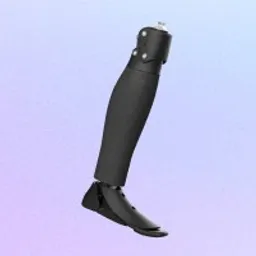
Project Circleg manufactures sustainable prosthetic legs for amputees using recycled plastics, which lowers production costs and minimizes environmental impact. The company provides an affordable and eco-friendly mobility solution in a market where high costs and waste are significant barriers for users.
NaturLoop produces Cocoboard®, a bio-based panel made from upcycled coconut husk fibers bonded with a non-toxic resin, achieving E0 grade for formaldehyde emissions. This sustainable material is designed for furniture and interior architecture, providing a viable alternative to traditional wood products while minimizing environmental impact.
World of Pi helps manufacturers extend product lifecycles by leveraging digital technologies to create sustainable business models. They provide solutions that enable manufacturers to offer services like repair, reuse, and remanufacturing, promoting circular economy principles. This allows manufacturers to reduce waste and generate new revenue streams from existing products.
MotionTech provides custom 3D printed silicone liners tailored to the unique anatomy of prosthetic users, utilizing advanced 3D scanning and modeling techniques. This service addresses discomfort and fit issues by offering adjustable padding and configurable suspensions, enhancing mobility for individuals with diverse limb shapes and sensitivities.
Nuniq offers a refillable body care system that utilizes aluminum cartridges and a Twist & Pop dispenser to minimize plastic waste while delivering clean, plant-based formulations. The startup addresses the environmental impact of single-use plastic in the beauty industry by providing sustainable, reusable packaging for its hair and body care products.
Leg&airy develops AI-powered smart orthopedic devices that convert static braces into dynamic, data-driven tools. These devices measure pressure distribution to provide smarter, proactive orthopaedic care. The technology aims to improve patient outcomes by personalizing orthotics to adapt to individual patient journeys.
ReMatter manufactures low-carbon hybrid earth-timber floor slabs using robotic fabrication, which ensures consistent quality and reduces construction time. These products minimize greenhouse gas emissions and embodied energy, providing a sustainable alternative to traditional concrete solutions for multi-residential construction projects.
Groam develops bio-based and biodegradable foam solutions specifically designed for single-use products, addressing the environmental impact of traditional plastic disposables. Their technology offers a sustainable alternative that decomposes naturally, reducing landfill waste and pollution.
This startup offers a customizable footwear platform that allows customers to personalize their sneakers with interchangeable components, including laces and heel counters. By providing two distinct looks in one package, the company enhances the longevity of the product and reduces waste through the ability to replace worn parts.
QWSTION has developed Bananatex®, a durable and biodegradable fabric made from regeneratively grown Abacá banana plants, cultivated in a sustainable permaculture environment. This material provides a circular alternative to synthetic fabrics, addressing the environmental impact of plastic-based textiles while supporting local farmers and enhancing biodiversity.
TOSA Swisstech develops conductive composite materials to replace metal bipolar plates in energy storage batteries and fuel cells. This technology reduces weight and manufacturing costs while enhancing performance and durability in energy systems.
Circle Toys offers a streamlined service for parents to declutter unused toys by collecting, cleaning, and repackaging them for resale on their second-hand platform. This approach reduces plastic waste and CO2 emissions by promoting the reuse of toys, thereby supporting a circular economy and providing affordable, high-quality options for families.
This company offers custom-fit sandals made on demand using a smartphone foot scan. Customers can personalize their footwear style based on their unique foot measurements, ensuring a comfortable and tailored fit.
Plastic-i utilizes satellite data and AI-driven image analysis to monitor and map floating plastics in oceans, rivers, and lakes with high precision. The platform provides actionable intelligence for marine health, enabling efficient cleanup operations and supporting coastal ecosystem restoration efforts.
Ziri Dynamics leverages big data and digital connectivity to facilitate a circular economy for brands and consumers. The company provides innovative solutions designed to enhance post-product use engagement and interaction. This approach aims to foster a more sustainable and equitable commercial ecosystem.
This startup manufactures reusable cups featuring a specialized sealing system that prevents leaks and maintains beverage temperature. By replacing single-use disposables, the cups promote sustainable consumption and reduce environmental waste.
Develops biodegradable nanofiber-based drug delivery systems that enable controlled, single-use release of nutrients and medications through the skin, addressing challenges in wound care for conditions like pressure ulcers, burns, and diabetes. Additionally, creates eco-friendly packaging and edible food additives that reduce sugar content while increasing dietary fiber, promoting sustainability and public health.
Quastify Materials offers an AI-driven platform that integrates quantum mechanics with machine learning to create digital twin technology for optimizing chemicals and materials. This approach significantly reduces research and development time and costs, facilitating faster market entry for new materials.
3D Farmer provides automated local 3D printing and design services for prototyping and low‑to‑mid‑volume production. Their in‑house 3D‑print farm in Winterthur offers rapid part manufacturing with optimized designs that reduce material use and print time. Clients can upload STL files for quick quotes and benefit from cost‑effective, on‑demand manufacturing.
MAGE is developing discreet heating underwear that provides all-day, targeted relief from abdominal and back pain associated with menstruation. This sustainable solution eliminates the need for single-use heat packs, allowing users to maintain their daily activities without discomfort.
CARDUST provides traceable capture systems that collect tire wear particles before they enter waterways. The solution enables individuals and transport companies to quantify and offset their tire‑wear microplastic footprint. By safely disposing captured wear, the service supports environmental impact goals and reduces ocean pollution.
Just In Case® provides antimicrobial kitchen tools, including flexible TPU cutting boards with built‑in juice grooves and non‑slip edges, and Softy micro‑fibre towels with an antimicrobial coating. The products inhibit bacterial growth, protect knife sharpness, and are dishwasher‑safe, recyclable, and highly absorbent, offering a durable, low‑maintenance solution for hygienic food preparation and cleaning.
Sasit Lab is a Swiss research institute that develops and licenses sustainable technologies such as anti‑bacterial coatings, bio‑ethanol production, synthetic stone batteries, carbon‑fiber recycling, optimized 3D‑printable concrete, and nano‑polymer artificial stones. By providing industrial‑ready processes and scale‑up support, it enables manufacturers in construction, energy, and advanced materials to adopt low‑carbon solutions without building in‑house R&D.
Metrastat SA provides a quantitative system for polymer heat stability analysis, enabling manufacturers to accurately assess material degradation and stabilizer performance. Their solution combines a precisely controlled oven with a reflectometer that quantifies subtle color and fluorescence changes, optimizing formulations and ensuring product consistency.
Bottleplus offers a portable carbonated water system that lets users carbonate water on‑the‑go using standard CO₂ cylinders. The modular bottle includes an integrated carboniser capable of producing up to 10 bottles (≈6 L) per charge and supports flavor‑capsule add‑ins for sugar‑free drinks. A subscription service delivers replacement CO₂ cylinders automatically, reducing reliance on single‑use plastic bottles.
The startup develops a smart packaging system that incorporates a built-in camera, sensors, and connectivity features to enable real-time tracking of shipments. This technology addresses the inefficiencies in traditional shipping methods by providing a secure, user-friendly solution for sending and receiving packages while ensuring the materials are infinitely recyclable.
DynamicMold has developed patented technology that watermarks plastic products with unique, forgery-proof codes. This enables manufacturers to implement effective tracking and tracing systems, enhancing brand protection and product authenticity.