baCta produces carbon-negative natural rubber by utilizing engineered microorganisms that convert CO2 and renewable feedstocks into isoprene, which is then polymerized into high-quality rubber. This technology addresses the unsustainable nature of traditional rubber production, offering a resilient and hypoallergenic alternative while significantly reducing carbon emissions.
Find Investable Startups and Competitors
Search thousands of startups using natural language—just describe what you're looking for
Plastics And Rubber Products Startups in France
50 companies matched by StartupSeeker’s semantic search. Average reported funding: $13.6M.
Snapshot from
Lactips produces water-soluble and biodegradable thermoplastic pellets derived from milk protein, providing a sustainable alternative to conventional plastics. This technology addresses the environmental impact of plastic waste by offering a fully biodegradable solution for various packaging and product applications.
Dionymer utilizes a unique bacterial fermentation process to convert industrial organic waste into biodegradable polyhydroxyalkanoates (PHA), providing a sustainable alternative to petrochemical polymers. This technology addresses the environmental impact of plastic waste by promoting a circular economy through the use of biowaste as a resource.
The startup develops plastic bottle recycling machines equipped with an artificial intelligence system that identifies bottles by barcode and color. This technology enables businesses to efficiently process and dispose of non-hazardous plastic waste, facilitating the recycling process.
The Bottless develops the Airless Pak, a flexible, refillable pouch system designed to significantly reduce plastic waste in cosmetics, personal care, and food packaging. This patented airless dispenser technology ensures product freshness, hygiene, and complete product usage while cutting plastic consumption by up to 90%. The company also provides Refill Machines to enable convenient, sustainable retail refill stations for consumers using the Airless Pak.
Dioxycle develops modular electrolyzer technology that transforms carbon dioxide emissions into sustainable ethylene, a key feedstock for various everyday products. This process enables the recycling of over 800 million tons of CO₂ annually, significantly reducing reliance on fossil fuel-derived ethylene.
Pandobac provides reusable transport containers specifically designed for the food industry, enabling businesses to comply with environmental regulations while significantly reducing packaging waste. Their solution offers measurable benefits, including up to 60% lower carbon impact and 30% cost savings through a rental model, while minimizing product damage during transport.
Calyxia manufactures biodegradable microcapsules and microparticles that enhance the performance of agricultural, consumer care, and advanced materials products while meeting sustainability goals. Their technology addresses the issues of microplastic pollution and inefficient product delivery by providing eco-engineered solutions that improve crop yields, sensory experiences, and material functionalities.
Hipli provides a reusable packaging solution for e-commerce that allows customers to receive their orders in eco-friendly containers, which can be easily returned and reused. This approach significantly reduces plastic waste generated by traditional single-use packaging in the online retail sector.
Syntetica utilizes green chemistry and chemical depolymerization to create sustainable synthetic textiles, starting with nylon. Their process effectively separates raw materials from blended nylon textile waste, a capability traditional recycling methods lack. This technology enables the full circularity of Nylon 6 and Nylon 6,6 streams for industrial use.
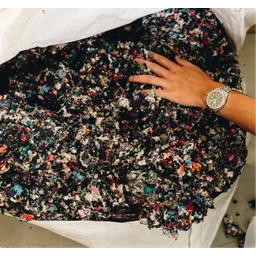
Chez Agrum specializes in the recycling and upcycling of industrial plastic waste through advanced processing techniques that convert discarded materials into reusable products. This approach addresses the significant issue of plastic pollution by reducing landfill waste and promoting a circular economy.
Recyc'Elit utilizes a patented eco-depolymerization process to selectively depolymerize complex polyester-based textiles, including colored and multifiber materials, into their original monomers without damaging other fibers. This technology addresses the challenge of recycling difficult PET waste, enabling the production of high-purity, food-grade recycled PET in a closed-loop system.
Fairmat recycles carbon fiber composites into FairPly, a versatile and sustainable material designed for high-performance applications across various industries. This technology mitigates the environmental impact of carbon fiber waste, which is projected to reach 138 million tons in landfills over the next 50 years.
ADN Skis develops eco-designed winter sports equipment using advanced recycling processes to minimize environmental impact. The company addresses the issue of waste in the ski industry by creating sustainable products that can be fully recycled at the end of their lifecycle.
900.care offers refillable personal care products that utilize concentrated formulas to minimize water and plastic waste in bathroom essentials. By providing eco-friendly alternatives like solid shampoos and biodegradable packaging, the company addresses the environmental impact of traditional hygiene products.
Linium Biochemicals utilizes patent-pending photochemical technology to extract high-value aromatic compounds from lignin, a byproduct of the paper and bio-ethanol industries. This process addresses the environmental impact of aromatic chemical production, which is projected to contribute significantly to global greenhouse gas emissions by 2050.
Fairbrics utilizes CO2 waste to produce virgin synthetic fabrics, significantly reducing the fashion industry's reliance on fossil fuels. This process not only minimizes greenhouse gas emissions but also enhances the quality and performance of textiles.
The startup manufactures a treatment process that enhances cellulosic substrates for packaging, producing transparent, recyclable, compostable, and biodegradable materials. This enables businesses to transition to eco-friendly, paper-based packaging solutions, effectively reducing reliance on plastic and minimizing environmental impact.
Nova Carbon develops high-performance semi-finished products from carbon fiber waste using a patented Long Fiber Realignment technology that preserves fiber length and integrity. This process addresses the significant issue of carbon fiber waste, which is largely landfilled or incinerated, by recycling valuable materials for various industries, including automotive and construction.
Néolithe utilizes advanced thermal and mechanical processes to convert non-recyclable waste into high-quality mineral aggregates. This technology addresses the growing issue of landfill waste by providing a sustainable alternative for construction materials, reducing environmental impact and resource depletion.
The startup manufactures anti-drowning T-shirts equipped with buoyant materials that provide flotation assistance to users in water. This product addresses the critical public health issue of drowning among children, teenagers, and adults by enhancing their safety during aquatic activities.
ER Ocean Recherche develops bio‑inspired textile fibers and yarns derived from marine biomass such as algae, cyanobacteria, and seafood shells, offering designers and apparel manufacturers low‑impact alternatives to conventional fabrics. The company produces ready‑to‑use materials—including SeiFibre™, SeiYarn™ and coated canvas—through a laboratory‑scale process that reduces water, land and energy use while delivering a reduced material footprint. Revenue is generated by selling these patented fibers and finished garments to fashion brands and textile partners via a B2B supply model.
Altrove uses physics-based AI and lab automation to design and manufacture tangible substitutes for critical inorganic materials. This process accelerates material development ten times faster than traditional R&D methods. The company provides industries with supply-secure, price-stable, and high-performance material alternatives that enhance product resilience and regulatory compliance.
ABC Transfer develops sterile Rapid Transfer Systems (RTS) that facilitate aseptic transfer in pharmaceutical manufacturing, addressing the critical need for patient safety and compliance with stringent industry regulations. Their solutions enhance process security and user comfort while supporting the production of next-generation therapies, such as cell therapies and anticancer treatments.

Biofluff produces plant-based materials, specifically fur and shearling, to replace animal and synthetic textiles in the luxury fashion industry. By offering sustainable alternatives, Biofluff addresses the environmental and ethical concerns associated with traditional material sourcing.
Ostrea converts shell waste into a unique mineral material suitable for countertops, furniture surfaces, and coatings. This process addresses the environmental impact of shell waste by providing a sustainable alternative to traditional materials.
PiLi biofabricates sustainable, biosourced colorants using industrial fermentation and organic chemistry to replace fossil fuel-derived pigments in various applications, including textiles and inks. This approach significantly reduces CO₂ emissions and addresses the environmental impact of the color industry, which currently relies heavily on non-renewable resources.
Novacium develops advanced materials with enhanced properties for various industrial applications. They focus on creating novel materials that improve performance and sustainability in sectors like manufacturing and construction.
Develops a 3D printing system for manufacturing printed circuit boards (PCBs) that integrates substrate and conductive trace production in a single process using high-viscosity metal and polymer materials. This technology reduces production time to 24 hours, minimizes waste and energy consumption, and eliminates the risks of supply chain disruptions and intellectual property theft associated with traditional PCB manufacturing.
Vulkam specializes in microthermomoulding processes to manufacture high-performance medical device components using unique metal alloys. This technology addresses the challenge of creating economically efficient and technically advanced microsurgical instruments and implants, enhancing their functionality and reliability in medical applications.
The startup has developed a propellerless boat engine that utilizes a compact membrane to mimic the undulating movement of marine animals for propulsion. This technology enhances energy efficiency by preventing the intake of algae, plastics, and filaments, which can hinder traditional propeller systems.
This startup manufactures recyclable materials from plastic waste, producing ecological hardscaping products such as panels and walkways. By transforming plastic pollution into durable, customizable designs, the company enables architects and designers to create sustainable infrastructure solutions.
This startup manufactures plastic-free laundry and skincare products using biodegradable materials and natural ingredients, providing effective alternatives to traditional household items. By eliminating plastic from their product line, they offer affordable solutions that promote home hygiene while minimizing environmental impact.
Radical Dot is developing a chemical technology that converts unrecyclable plastic waste into essential chemical building blocks, enabling a circular economy for plastics. This process addresses the challenge of low plastic recycling rates by providing a reliable and efficient method to produce valuable resources for the chemical industry, potentially reducing emissions by over 0.5 Gt CO2eq per year by 2050.
This company specializes in programming robotics solutions tailored for hybrid manufacturing environments. They provide the necessary software and integration services to automate complex production workflows. The core value is enabling manufacturers to efficiently combine different production methods using advanced robotic control systems.
The startup develops a non-destructive testing system that enables real-time evaluation of multilayer painted coatings on manufactured parts. Their technology provides precise measurements of coating thickness and fault detection, ensuring the integrity of electrical insulators made from materials like plastics, wood, ceramics, and foams.
This startup produces stainless steel reusable packaging designed for the food industry, mass distribution, and collective catering, utilizing sustainable materials to minimize environmental impact. Their products address the issue of single-use packaging waste by providing durable, logistical solutions that enhance efficiency in food transportation and storage.
Seprify produces high‑performance functionalingredients derived from renewable cellulose for use in coatings, cosmetics, food, inks, pharma, and other industries. Their plant‑based materials are biodegradable, safe, and designed to replace traditional petrochemical additives while reducing carbon emissions. The company offers ready‑to‑use, sustainable solutions that enhance product performance and support circular bioeconomy goals.
Olikrom designs intelligent pigments that respond to temperature, light, and pressure changes, enabling applications in various industries such as textiles and coatings. These pigments provide real-time visual feedback, enhancing product functionality and user experience by indicating environmental conditions.
The startup transforms non-recovered plastic waste into permeable tiles designed for car parks and traffic lanes, utilizing a patented process that enhances water management. This technology addresses the issue of urban runoff and carbon emissions by providing eco-friendly surfaces that facilitate rainwater absorption.
TETMET utilizes a vertically integrated AI and Robotics platform to efficiently manufacture large-scale architectured materials and lattices. This Adaptive Spatial Lattice Manufacturing (ASLM) process produces ultralight, high-strength structures with significantly reduced material and energy consumption. The company enables industries like Automotive and Aviation to adopt advanced, sustainable, and cost-effective structural designs.
This startup manufactures concentrated ecological cleaning products that minimize water usage and reduce transportation volume through optimized packaging. By providing direct-to-consumer delivery, it ensures access to effective and healthy cleaning solutions with complete ingredient transparency.
This startup manufactures graphene-based additives and coatings that enhance thermal and electrical conductivity while improving mechanical properties and reducing product weight. Their solutions enable manufacturers to increase efficiency and performance, contributing to sustainability goals without compromising strength.
Sintermat utilizes Spark Plasma Sintering technology to create lightweight, high-strength materials with three times the mechanical strength and twice the hardness of conventional options. These materials are designed for demanding applications in the packaging, defense, and industrial tooling sectors, offering components with significantly extended service life and reduced raw material usage.
The startup specializes in the recycling of soft plastics, particularly polyethylene films, using a combination of mechanical and chemical processing technologies to enhance material recovery. This approach enables industries to meet regulatory requirements and significantly lower their environmental footprint by diverting plastic waste from landfills.
Aubes develops paramotor drone technology for environmental analysis and protection, offering services such as drone observation and tracking. The company focuses on eco-design, utilizing techniques and materials to minimize environmental impact.
The startup provides a closed-loop reusable packaging service for e-commerce businesses, enabling the use of durable packaging that can be returned and reused multiple times. This system directly reduces packaging waste and promotes sustainability by replacing single-use materials with a measurable, eco-friendly alternative.
This startup manufactures natural material products for luxury brands, research laboratories, and prototyping workshops, utilizing advanced material engineering techniques to enhance the properties of various natural substances. By reintegrating these materials into production processes, clients can unlock new creative applications and improve sustainability in their product offerings.
Earthwake offers a chemical recycling solution that converts non-recycled polyethylene and polypropylene plastic waste into valuable outputs like synthetic naphtha or fuel. Their modular Chrysalis® pyrolysis technology processes plastic waste at elevated temperatures in an oxygen-free environment, providing an alternative to traditional recycling methods.
Wyve manufactures recyclable surfboards using patented 3D printing technology that incorporates 60% bio-based materials, enhancing durability and repairability. This approach addresses the environmental impact of traditional surfboard production while providing high-performance boards optimized for maneuverability and paddling ease.