The startup develops robotic grippers and cell pickers specifically designed for food technology companies and online grocery services to automate food packing processes. These robots can adaptively grip and manipulate a diverse range of fruits, herbs, and vegetables, enhancing efficiency and scalability in food handling operations.
Find Investable Startups and Competitors
Search thousands of startups using natural language—just describe what you're looking for
Food Manufacturing Startups in Norway
50 companies matched by StartupSeeker’s semantic search. Average reported funding: $19.8M.
Snapshot from
This startup produces sustainable Atlantic salmon using a recirculatory aquaculture system that minimizes water usage and environmental impact. By providing fresh, ethically sourced protein, the company addresses the demand for environmentally responsible food options in the global market.
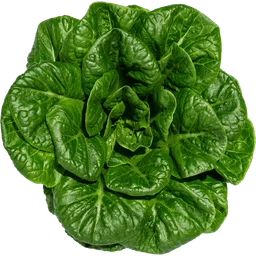
This company utilizes closed-environment vertical farming and hydroponics to cultivate premium leafy greens year-round. Their controlled production process eliminates the need for pesticides and washing, ensuring naturally clean, ready-to-eat salads with extended shelf life. They deliver hyper-fresh, locally grown specialty lettuce varieties directly to consumers.
Völur utilizes AI algorithms to optimize the sorting and cutting processes in meat processing, enhancing the value extraction from each carcass. This technology addresses inefficiencies in production planning, leading to increased margins, reduced waste, and a lower carbon footprint in the meat supply chain.
Salmon Evolution utilizes a hybrid flow-through system to farm salmon on land, ensuring optimal water quality and fish welfare while minimizing operational risks. This approach addresses the challenges of traditional aquaculture by providing a controlled environment that promotes sustainable and healthy salmon growth.
The startup operates a biotechnology platform that develops biofertilizers from biowaste, targeting the aquaculture and waste management sectors. By collaborating with research communities and industry innovators, the company provides technologies that enhance the circular economy value chain, improving waste utilization and resource efficiency.
The startup develops a machine learning system that analyzes large datasets from industrial IoT to enhance predictive maintenance and optimize production processes. By preventing equipment breakdowns and reducing waste and energy consumption, the system helps businesses lower operational costs and improve efficiency.
Aquabyte develops machine learning and IoT camera software to enhance fish welfare and optimize aquaculture operations. By providing real-time insights and data analytics, the platform enables fish farmers to make informed decisions that improve sustainability and productivity in food production.
The startup develops an artificial intelligence and machine learning platform tailored for Norwegian farmers to enhance grain production through a specialized neural network model and crop classification system. By providing precise yield data and calculations in a centralized interface, the platform enables farmers to monitor crop growth and make informed decisions based on localized agricultural conditions.
getfood.no provides a centralized platform for restaurants to manage take-away and dine-in orders through a professional online profile. This system streamlines mobile ordering and enhances operational efficiency, addressing the challenge of fragmented ordering processes in the food service industry.
Aquabyte provides an AI‑powered computer‑vision platform that uses self‑cleaning underwater cameras to capture and analyze millions of images daily from fish pens. The system delivers real‑time metrics on fish welfare, lice load, behavior and growth through a web portal and API, enabling aquaculture operators to adjust feeding and health interventions for higher efficiency.
OptoScale provides real-time monitoring equipment for fish farms, utilizing advanced modules to measure fish weight, health, and lice levels without manual handling. This technology enables fish farmers to enhance fish welfare, reduce operational costs, and optimize production efficiency through precise data analysis.
GenoMar provides genetically superior tilapia strains developed through advanced selective breeding and genomic selection. Their genetics enhance farm productivity and resilience by focusing on growth rate, fillet yield, and disease resistance, leading to improved operational efficiency and profitability for aquaculture producers.
Heaten develops Very High Temperature Heat Pumps (VHTHP) that efficiently recover energy from low-value waste heat streams, converting it into high-temperature water or steam up to 200°C. This technology enables significant energy savings and reduces carbon emissions in industrial heating processes across various sectors, including food, chemicals, and building materials.
Saga Robotics develops the Thorvald autonomous robot, which utilizes UV-C light treatment to control powdery mildew in crops, enhancing plant health and yield. This modular system performs various labor-intensive agricultural tasks, reducing reliance on manual labor and minimizing chemical fungicide use.
Ava Ocean has developed technology for the selective harvesting of bottom-dwelling marine species, minimizing ecological disruption while maximizing resource extraction. This approach addresses the environmental damage caused by traditional fishing methods like dredging and bottom trawling, promoting sustainable seafood sourcing for future generations.
Ordr offers a contactless ordering and payment system that enables guests to place food orders using QR codes, eliminating the need for physical cards and payment terminals. This technology reduces transaction times and enhances the dining experience by streamlining the payment process in restaurants.
Inherit Carbon Solutions utilizes bioenergy with carbon capture and storage BECCS technology to convert food waste and sewage into durable carbon removal solutions. This approach provides companies with a reliable method to achieve their sustainability targets while ensuring that carbon is stored underground for over 1,000 years.
Gelato provides a cloud‑based print‑on‑demand service that routes each order to the nearest of its 140+ vetted print partners in 32 countries, eliminating inventory and setup costs for e‑commerce merchants and creators. The platform integrates with major storefronts (Shopify, Etsy, Amazon, etc.) via one‑click connectors or API, offering AI‑driven design tools, automated pricing and real‑time analytics to streamline production, reduce shipping time to 2‑5 days, and lower emissions.
Alginor ASA specializes in sustainable biorefining of kelp using mild, green chemistry processes that eliminate the need for formaldehyde, enabling total biomass utilization. This approach addresses pollution from aggressive chemicals and enhances the production of high-quality pharmaceutical and nutraceutical ingredients while maintaining traceability throughout the value chain.
Ignite is a platform that centralizes procurement and sustainability data, providing visibility into costs, emissions, and risks across the supply chain. This enables organizations to make informed decisions, drive cost savings of 5-10%, and ensure compliance with supply chain regulations.
The startup manufactures rare earth element (REE) products, including various oxides and nitrates, with a focus on low environmental impact through precise chemical analysis. Their offerings support industries in achieving climate neutrality by providing access to essential materials that meet specific purity requirements.
Mapal provides an integrated suite of hospitality management systems under the Mapal OS platform. This platform covers workforce management, learning and development, compliance, and operational needs like food and beverage management. The technology aims to simplify operations, improve staff performance, and enhance business resilience across various hospitality sectors.
Aviant develops technology to enable autonomous logistics operations. The company focuses on creating systems that support unmanned aerial vehicle deployment for various logistical needs. Their work centers on integrating advanced automation into supply chain and delivery frameworks.
This startup recycles food waste and animal manure through anaerobic digestion and composting to produce biofertilizers, biogas, and green CO2. By converting organic waste into valuable resources, the company addresses the issues of waste management and soil degradation in the region.
Remora Robotics develops a fully autonomous submarine robot that cleans and inspects fish farming pens while collecting environmental data. This technology addresses biofouling, which negatively impacts fish health and operational efficiency, by enhancing water flow and reducing the need for harmful antifouling treatments.
NoMy utilizes fungal fermentation technologies to convert food industry byproducts into sustainable, high-value ingredients. This process addresses the issue of food waste by transforming side streams into functional materials for both food and feed applications.
The startup offers a restaurant management platform that automates the ordering process, allowing guests to place orders directly from their devices without waiting for staff. This technology enhances operational efficiency and increases profitability by enabling restaurants to handle high demand during peak times.
Chew is an interactive platform that combines cooking classes with educational content and games tailored for children, utilizing engaging multimedia techniques to enhance learning. The platform addresses the lack of accessible and enjoyable cooking education for young audiences, fostering culinary skills and creativity in a fun environment.
Aquaticode develops an AI platform that utilizes machine learning to predict fish characteristics and optimize aquaculture operations. Their solutions, including SORTpro and SORTmini, enhance growth efficiency and breeding outcomes by automating the sorting of salmon and broodstock based on gender and other traits, ultimately increasing seafood production and reducing costs.
Syngens AS has developed an AI-powered DNA Design Platform that enables precise and predictable DNA engineering for biomanufacturing applications. By optimizing gene expression and constructing novel biological pathways, the platform addresses the limitations of scalability and engineering precision in current biological methods, significantly reducing trial-and-error in experimental processes.
The startup operates a land-based fish farming facility that produces post-smolt salmon using sustainable aquaculture practices focused on fish welfare and environmental stewardship. By implementing a circular economy model, the company minimizes waste and resource consumption, addressing the challenges of traditional salmon farming methods.
This startup operates a land-based salmon farming system that prioritizes animal welfare and minimizes environmental impact through circular operations and reduced transportation emissions. By utilizing sustainable aquaculture practices, the company enhances fish shelf life while decreasing waste, addressing the challenges of traditional salmon farming methods.
The startup develops a device that captures sea lice larvae before they infest fish cages, utilizing targeted trapping mechanisms to prevent parasite entry. This technology provides a cost-effective solution for the salmon industry by reducing treatment expenses and enhancing control over lice populations.
Thalasso develops autonomous aquatic technology to sustainably harvest sargassum, a harmful algal bloom that threatens coastal ecosystems and economies. By transforming this seaweed into valuable chemical compounds through portable micro-biorefineries, Thalasso supports coastal communities and promotes economic resilience.
The startup develops a three-dimensional color camera designed for industrial automation, featuring object recognition, classification, and in-line quality control capabilities. This technology enhances logistics efficiency and productivity by enabling precise pick-and-place automation and robotic assembly operations.
Tunable AS develops miniaturized gas analyzers that utilize MEMS technology and infrared spectroscopy for real-time, multi-gas analysis, enabling precise measurements in various applications. Their technology addresses the need for reliable gas data in industries such as maritime emissions monitoring, quality control in fresh produce, and industrial process optimization, all while significantly reducing the size and maintenance costs of traditional gas analyzers.
Pio offers a mobile app that automates warehouse operations through a plug-and-play system, utilizing robots to optimize inventory management and order fulfillment. This technology reduces labor requirements by up to 80% and increases storage efficiency, allowing businesses to process up to 360 order lines per hour with 99.9% accuracy.
This startup develops an electronic device that monitors and measures the beer fermentation process, providing real-time data to breweries. By replacing manual sampling, it enhances production efficiency, improves quality, and reduces waste, enabling professionals to optimize fermentation time and manage beer stocks effectively.
This startup provides a structured approach to product development by integrating user feedback into the design and manufacturing process. Their methodology ensures that products are tailored to market needs, reducing the risk of misalignment between consumer demand and product offerings.
EasyX develops vertical cleaning robots designed for efficient maintenance of fish tanks in land-based aquaculture facilities. These automated systems eliminate the need for manual cleaning, significantly reducing operational downtime and associated occupational health and safety (HMS) risks. The technology allows operators to focus on core production while ensuring a clean and safe environment for the farmed fish.
Auk develops a hydroponic growing system that utilizes full-spectrum LED lighting and an automated nutrient delivery mechanism to facilitate year-round cultivation of herbs and vegetables indoors. This technology addresses the challenge of limited natural light and inconsistent access to fresh produce, enabling users to grow their own food effortlessly in compact spaces.
Oda is an online grocery store offering home delivery of a wide selection of food products. The platform simplifies grocery shopping by providing a user-friendly e-commerce experience and efficient delivery logistics, making it a convenient and cost-effective alternative to traditional stores.
Sensonomic provides the Agribusiness Performance Platform (SAPP), which utilizes computer simulations and purpose-built analytics to enhance agricultural operations and optimize crop yields. By enabling growers to capture and analyze data, the platform helps increase profits by over 30% while improving resilience in the face of climate variability.
Farmable is a mobile and desktop farm management app that enables fruit and tree crop growers to document treatments, harvests, and field activities in real-time, streamlining data collection and reporting. By providing an interactive field map and automated reporting features, it reduces administrative workload and enhances decision-making efficiency for farm managers.
The startup offers an online marketplace platform that connects food ingredient suppliers with buyers, enabling the sale of surplus inventory to minimize food waste in the food value chain. This platform provides chefs in canteens, restaurants, and hotels access to a diverse range of high-quality products at competitive prices, promoting sustainable sourcing practices.
Auk offers an automated indoor hydroponic system for effortless year-round cultivation of herbs and plants. Its full-spectrum LED lighting and integrated self-watering and nutrient delivery simplify growing, making fresh produce accessible to everyone.
Provides a data-driven platform for the food and beverage industry, offering market insights, product search, and sales management tools. It enables businesses to optimize distribution channels, track brand performance, and generate leads, reducing reliance on costly market research while improving decision-making with real-time analytics.
The startup develops a technology platform that provides an inventory management system for food businesses, replacing traditional pen-and-paper methods with digital tracking. This system enhances traceability, reduces food waste, and improves operational efficiency within the food supply chain.
Dagens operates a digital platform that facilitates direct trade of local, seasonal produce between farmers and professional kitchens, eliminating intermediaries and ensuring transparency in pricing and food traceability. By streamlining order management and guaranteeing automatic payments, Dagens enhances efficiency for producers and provides chefs with high-quality ingredients within 26 hours from farm to kitchen.