The startup utilizes wearable technology to collect and analyze health data, providing real-time insights into individual health metrics. This approach enables users to monitor chronic conditions and optimize their wellness strategies based on precise, personalized data.
Find Investable Startups and Competitors
Search thousands of startups using natural language—just describe what you're looking for
Wearable Sensor Startups
50 companies matched by StartupSeeker’s semantic search. Average reported funding: $10.2M.
Snapshot from
This startup specializes in smart wearable devices that integrate real-time biometric monitoring using advanced sensor technology and data analytics. By addressing the need for continuous health tracking, these wearables provide users with actionable insights to manage their fitness and wellness more effectively.
Echoscope Digital Health develops a wearable sensor that measures and monitors Lower Urinary Tract Symptoms (LUTS) by tracking bladder activity and contextual factors, providing users with actionable insights on their smart devices. This technology addresses the lack of measurable solutions for over 20 million adults in North America suffering from LUTS, enabling better management of their symptoms and improved quality of life.
This startup develops a wearable device that uses multiple sensors to assess knee and other joint health. The device enables convenient joint monitoring, potentially preventing disability and reducing the burden of musculoskeletal disorders through improved healthcare treatment.
Refresh Smart develops wearable biosensors utilizing proprietary biomolecular signal processing chips for continuous health monitoring. Their products, including glucose and urine monitoring systems, provide real-time data to enhance precision in medical diagnostics and personal health management.
Develops contact-free, chip-scale biomagnetic sensors that detect neural activity without direct skin contact, enabling integration into wearables for applications in health monitoring, gesture control, and personalized mental health treatments. These low-power, cost-effective sensors provide unprecedented data on biometrics, emotions, and cognitive states, supporting advancements in consumer devices, prosthetics, and neurodegenerative disorder detection.
Centrus Diagnostics develops mobile, wearable sensor platforms called CentrusDx™ Smart Bands to improve the diagnosis and treatment of hypertension, heart failure, and atrial fibrillation. These platforms provide real-time, continuous, 24/7 hospital-grade blood pressure measurements and accurate electrocardiographic (EKG) data using photoplethysmography technology. The goal is to offer a comfortable, smartwatch-like alternative to traditional cuff-based monitoring for patients and consumers.
Tether provides a wearable sensor that continuously records dogs' vital signs, such as heart rate and heart rate variability, and streams the data to a cloud platform. AI-driven analytics detect abnormal patterns and send real‑time alerts to owners via a mobile app, enabling early intervention and better health outcomes for pets.
Nextiles develops a wearable fitness system that utilizes motion sensors and data analytics to monitor exercise performance and provide real-time feedback on form and efficiency. This technology helps users prevent injuries and optimize their workouts, leading to measurable improvements in fitness outcomes.
Extentek builds compact, low‑power sensors and AI decision engines for assistive and safety wearables. Their patented time‑of‑flight sensor gives blind users contactless level readings, a wearable LiDAR module provides real‑time proximity alerts in crowded spaces, and an AI‑driven radiation monitor delivers personalized exposure and health risk feedback.
Rhaeos develops FlowSense®, a non-invasive, wireless wearable sensor that assesses shunt flow in hydrocephalus patients within minutes. This technology addresses the challenge of detecting shunt malfunctions, which affects over one million Americans and contributes to significant healthcare costs and high readmission rates.
KNoW Monitors develops wearable technology that detects volatile organic compounds (VOCs) emitted through the skin to monitor changes in the body's chemistry. This technology alerts users to potential health issues such as oncoming seizures and migraines, providing timely insights for proactive health management.
Xsensio has developed the Lab-on-Skin™ sensing platform, a modular and miniaturized device that continuously analyzes proteins and hormones at the skin's surface for real-time health monitoring. This technology addresses the lack of immediate and continuous tracking of critical health parameters, providing unique insights during health events in a minimally invasive manner.
The startup develops a wristwatch-type wearable device that monitors heart failure patients by detecting cardiac murmurs, reduced activity, and peripheral coldness. This remote medical treatment system enables early symptom detection, allowing patients to receive timely intervention from home.
QOL MedTech develops wearable technology that provides real-time monitoring and personalized feedback to enhance recovery, ensure exercise compliance, and optimize performance for patients, caregivers, and athletes. This technology addresses the challenges of limited access to healthcare and the need for effective, data-driven support in rehabilitation and fitness.
24 Sens develops a wearable heart rate monitoring system that utilizes textile-based sensor technology for continuous 24/7 ECG recording. This solution enables healthcare providers to diagnose conditions like atrial fibrillation in real-time, significantly improving patient outcomes and response times during critical situations.
Carelight develops patented Opto-Physiological Monitoring (OPM) sensors that provide medical-grade accuracy for vital signs. Their AI-powered, multi-wavelength technology overcomes the limitations of traditional PPG sensors, enabling reliable physiological data capture across diverse users for advanced wearable devices.
Arena Labs provides a performance coaching platform for healthcare professionals, utilizing a wearable sensor to deliver daily biometric insights on stress, rest, and recovery. Their program combines scientifically validated tools and micro-coaching lessons to reduce clinician burnout and enhance overall well-being, resulting in measurable improvements in heart rate variability and job satisfaction.
The startup develops wearable sensors that utilize a ventilation capsule-type sweat meter to monitor perspiration changes over time. This technology enables patients to track variations in thermal sweating and exercise-induced sweating, providing critical insights into their health conditions.
DryRise provides a discreet wearable bioimpedance sensor that monitors bladder volume for individuals with neurogenic bladder. Its companion app delivers timely voiding or catheterization alerts and tracks bladder activity trends, enabling proactive condition management.
FIGUR8 develops a bioMotion Assessment Platform (bMAP) that utilizes wearable sensor technology to provide lab-grade biomechanics data for musculoskeletal health assessments. This technology replaces subjective measurement tools, enabling precise evaluations and personalized treatment plans that enhance recovery monitoring and improve patient outcomes.
CyweeMotion develops advanced sensor fusion algorithms that integrate data from accelerometers, gyroscopes, and magnetometers to achieve precise 360-degree motion tracking for wearable devices. Their technology enhances user experiences in sports monitoring, health management, and immersive audio applications, addressing the need for accurate and stable motion data in various consumer electronics.
The startup develops intelligent wearables and smart textiles that monitor vital signs and track biomechanical movement, providing real-time data on muscle performance and emotional health. Their products, including a seizure-detecting smartwatch and an AI-enabled health metrics app, address the need for personalized healthcare solutions that enhance user awareness and management of health conditions.
<name>Touchwaves</name> description>Touchwaves develops wearable devices that combine textile-embedded medical‑grade biosensors with realistic haptic feedback to monitor vital signs such as heart rate, HRV, breathing rate, and SpO₂. Their platform uses smart data processing to translate bio‑signals into real‑time breathing guidance and performance insights for stress regulation and recovery. The technology is targeted at high‑stress domains including defense, healthcare, and elite sports, delivering lightweight, washable, and stretchable wearables for mission‑critical use.</description>
This company develops self-powered, machine-learning-enabled sensors for connected devices. Their products use energy harvesting technology to eliminate the need for batteries, providing actionable sensor data for monitoring health, vehicles, and other assets.
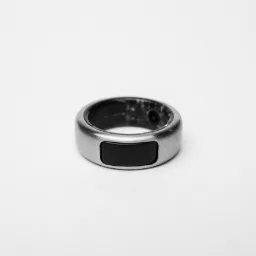
Ultrahuman develops the Ring AIR, a lightweight smart ring that utilizes PPG sensors and a 6-axis motion sensor to monitor vital health metrics such as heart rate, sleep quality, and body temperature. By providing real-time insights into metabolic health and recovery, the device helps users optimize their wellness and performance.
Alvalux develops smart, wearable micro-technologies that deliver personalized health benefits through energized interfaces. Their devices integrate advanced sensors and energy delivery systems to provide targeted wellness solutions directly on the body.
LifeSense Group develops digital health continence solutions using smart textiles and wearable sensors to address stress urinary incontinence in both women and men. Their products, including the Carin app and sensor, provide personalized pelvic floor training programs that have been clinically proven to reduce urine leaks within weeks.
Cardiosense is developing a physiological waveform data platform that utilizes multi-sensor wearable devices and proprietary algorithms to detect early markers of cardiac disease. This technology enables continuous patient monitoring and personalized therapy, addressing the need for pre-symptomatic disease detection in cardiac care.
Kardi Ai provides a certified medical device solution combining a wearable ECG chest strap with a mobile application for continuous heart rhythm monitoring. The system automatically evaluates ECG data using certified AI and instantly alerts users and physicians to irregularities. This service enables proactive cardiovascular risk management through personalized data and timely medical intervention.
```xml <problem> Current methods for monitoring biomarkers require invasive procedures or lab-based equipment, limiting the frequency and convenience of testing. This makes it difficult for individuals to track real-time changes in their health status and optimize training or treatment protocols. Existing molecular monitoring technology has stagnated, leaving a gap in readily available data on chemical exposures affecting health and well-being. </problem> <solution> DIA develops portable and wearable electrochemical sensors that enable non-invasive, real-time monitoring of biomarkers through saliva or sweat. These sensors measure hormones, electrolytes, and inflammatory markers, transmitting the data securely to a smartphone application. The system provides individuals with personalized insights into their health, allowing for timely adjustments to training, diet, or other interventions. DIA's technology aims to expand the Internet of Things to include real-time measurements of endogenous and exogenous chemicals, empowering individuals to better protect their health. The company offers both wearable sensors for continuous monitoring and bench-top analyzers requiring less than 1 mL of saliva for instantaneous measurements. </solution> <features> - Electrochemical sensors for measuring biomarkers in saliva and sweat - Real-time data transmission to a smartphone application - Non-invasive sampling for convenient and frequent testing - Wearable and bench-top analyzer options - Measures hormones, electrolytes, and inflammatory markers - Secure data transmission to protect user privacy - Daily test strip for easy sample collection - Results viewable in the DIA app within 5 minutes </features> <target_audience> The primary target audience includes individuals, high-performance operators, and athletes seeking to optimize their health and performance through real-time biomarker monitoring. </target_audience> ```
WearOptimo develops Microwearable sensors that continuously monitor hydration levels by capturing real-time bio-signals from the skin. This technology addresses the critical issue of dehydration, which can significantly impair physical and mental performance in athletes and outdoor workers.
Makani Science develops a breathing sensor that continuously monitors pulmonary function in patients. This technology provides real-time data to healthcare providers, enabling timely interventions for respiratory issues.
This company offers a wearable device that continuously monitors blood pressure and transmits the data to a mobile application. This provides users and their healthcare providers with comprehensive blood pressure insights for improved health management.
Flowbio offers a wearable sweat sensor that accurately measures fluid loss and sodium concentration during endurance activities. The sensor syncs with a mobile app to provide personalized hydration recommendations based on real-time sweat data, effort, and environmental conditions. Athletes use the system to plan pre‑, during‑, and post‑session hydration strategies for improved performance and recovery.
Mode Sensors develops the Re:Balans® wearable device for real-time hydration monitoring, specifically designed for patients with fluid management conditions. This technology addresses the challenge of accurately tracking hydration levels, which is critical for effective patient care in clinical settings.
Sencure develops specialized chip technology for medical wearables that accurately measures electrophysiological parameters, including ECG, EEG, and EMG, to enhance vital signs monitoring. This technology addresses the limitations of bulky and outdated medical devices, enabling efficient remote monitoring and improved patient care.
Prevayl develops wearable technology that integrates textile sensing and body area networks to monitor health metrics in real-time. Their SmartWear™ line features clinical-grade ECG capabilities, addressing the need for accurate health monitoring in sports and fitness apparel.
MedWatch Technologies offers a wearable, non‑invasive biosensor platform that continuously tracks metabolic markers such as glucose, lactate, and hydration. AI algorithms convert the data into real‑time health scores and personalized lifestyle recommendations delivered via a mobile app, enabling users to monitor and adjust their metabolic health proactively.
This startup develops wearable technology that utilizes proprietary dry electroencephalography (EEG) sensors to monitor and analyze brain activity in real-time. By providing individuals with clinical-grade cognitive and emotional data through a secure app, the technology enables users to track their mental states during various activities, enhancing health and performance.
BIGPHI Technologies is India's first company specializing in technologically advanced apparel and wearables that incorporate smart textiles and embedded sensors. The company addresses the need for enhanced functionality in clothing, enabling users to monitor health metrics and improve performance through real-time data collection.
LogicInk develops electronics-free wearable sensors that provide real-time biochemical feedback on UV exposure and hydration levels, enhancing personal wellness management. By delivering actionable insights, these sensors empower users to monitor their health and make informed lifestyle choices.
AIKON HEALTH provides a proprietary wearable monitoring device integrated with digital health solutions for personalized heart failure management. This system enables cardiologists and nurses to perform precise medication titration and proactive patient care. The platform utilizes clinically validated digital biomarkers to improve workflow and reduce heart failure patient hospital readmissions.
The startup develops a multi-feature wearable ring that monitors bio-signals such as blood oxygenation, heart rate variability, and breathing rate during sleep. This technology enables users to track their physical and mental performance, providing insights into their health and wellness through real-time alerts and notifications.
BioSens8 engineers novel, quantitative, real-time, and continuous biosensors by mining microbes for sensor development. The platform rapidly discovers and optimizes microbes to create specialized wearable health monitors. This technology provides users with continuous physiological data beyond standard glucose monitoring.
Sensawear develops a wearable, adhesive-based tissue monitoring system that utilizes near-infrared spectroscopy (NIRS) to continuously assess tissue oxygen saturation (StO2). This technology eliminates the need for invasive skin inspections and helps prevent pressure injuries by alerting patients and caregivers when repositioning is necessary.
Nanobiofab specializes in high-throughput nano-printing technology that enables the rapid production and screening of nanomaterials, capable of generating up to one million trials per day. Their AI-driven smart sensors accurately detect trace gases from skin and breath, addressing the need for effective personal health management in telemedicine and personalized healthcare.
OK2StandUP develops a wearable, AI-powered fall prevention solution that remotely monitors and predicts a senior's intent to stand, providing alerts within six seconds. This technology aims to reduce fall incidents in high-risk populations, significantly lowering healthcare costs associated with fall-related injuries.
Vena Vitals develops noninvasive, continuous blood pressure monitoring solutions using a soft, stretchable capacitive pressure sensor placed over a palpable artery. Their VeriTrack system aims to provide anesthesiologists, sleep physicians, and clinical settings with accurate, real-time cardiovascular data comparable to arterial lines. This technology facilitates earlier detection of hypotensive and hypertensive events across hospital, clinic, and home care environments.