NotFossil provides biotechnology solutions for hydrocarbon bioremediation in industrial wastewater treatment. Their services help companies remove petroleum-based contaminants from water, ensuring compliance with environmental regulations and promoting sustainable waste management.
Find Investable Startups and Competitors
Search thousands of startups using natural language—just describe what you're looking for
Wastewater Treatment Biotech Startups
50 companies matched by StartupSeeker’s semantic search. Average reported funding: $14.4M.
Snapshot from
This company engineers yeast strains that selectively bind and remove metals from wastewater. Their technology offers a faster and more efficient method for metal recovery compared to conventional wastewater treatment processes.
CellX Biosolutions develops bacterial-based biotechnologies to degrade persistent chemical pollutants such as PFAS, pharmaceutical residues, agro‑chemical waste, and microplastics. Their platform isolates and optimizes native bacterial communities, then scales them into commercial treatment solutions for wastewater and contaminated sites. This approach offers a sustainable, cost‑effective alternative to conventional chemical waste disposal methods.
Hexem develops customized wastewater treatment systems utilizing high-performance biogas technology to effectively treat severely contaminated industrial wastewater in the food and beverage sector. Its portable systems significantly reduce chemical oxygen demand, enabling businesses to meet regulatory standards and improve environmental sustainability.
WaterRR utilizes BioHaven Floating Islands to enhance the treatment of wastewater lagoons, effectively reducing pollutants and improving water quality. This technology addresses the challenge of inefficient wastewater management in lagoons, promoting sustainable environmental practices.
Aquacycl utilizes BioElectrochemical Treatment Technology (BETT) to efficiently treat high-strength industrial wastewater while ensuring regulatory compliance and reducing greenhouse gas emissions by up to 90%. Their system offers significant cost savings by eliminating hauling fees and lowering energy consumption, enabling businesses to focus on their core operations.
This startup develops an electrochemical water treatment technology that uses electrical discharge to remove organic and inorganic chemicals from wastewater. Their system concurrently treats the entire chemical matrix and provides disinfection, enabling facilities to reduce costs and increase efficiency in water purification.
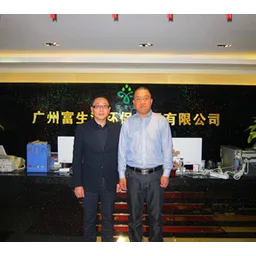
Fushengyuan is a renewable resource recycling service platform that specializes in wastewater treatment, utilizing advanced techniques such as activated sludge and biological membrane methods to effectively process domestic, industrial, and medical wastewater. The platform addresses the critical issue of water pollution by providing reliable treatment solutions that meet national discharge standards, ensuring environmental safety and public health.
Burnham designs, finances, builds, owns, and operates turnkey wastewater resource recovery projects for municipalities and industrial food processors. By extracting biogas, clean water, nitrogen and phosphorus from sludge and other organic waste, the company monetizes energy and fertilizer streams, reducing treatment and disposal costs for its clients. Its business model is based on long‑term contracts where Burnham assumes project risk and receives revenue from the sale of recovered resources and operational services.
INDRA designs and manufactures water treatment systems that utilize advanced filtration and biological treatment processes to recycle domestic and industrial wastewater. This technology significantly reduces water waste and promotes sustainable water management by effectively minimizing environmental impact.
NetXeroc provides engineered, turn‑key solutions for industrial water and waste streams, designing and operating custom effluent recycling systems, advanced treatment plants, and solid‑waste anaerobic digestion units that convert organic waste into biogas and bio‑fertilizer. The integrated platform reduces freshwater consumption by up to 70 %, meets strict discharge regulations, and generates carbon‑credit‑eligible emissions reductions, supported by cloud‑based performance analytics and remote diagnostics.
The startup utilizes microbial cell factories to convert renewable feedstocks, such as industrial effluents and municipal sewage, into biohydrogen and valuable chemicals. This process addresses the dual challenges of wastewater management and the need for sustainable energy sources by providing clean energy and recovering green chemicals from polluted water.
Vasuqi provides a plug‑in flow‑through reactor that uses LED‑driven visible‑light oxidation with a nanocatalyst to mineralize residual organic contaminants in wastewater streams. The modular unit operates at low temperature, requires only the solid catalyst as a consumable, and can be retro‑fitted downstream of existing treatment trains to reduce COD and toxic organics, enabling lower discharge fees and water reuse.
The startup develops a bio-based adsorbent material that selectively captures micro-pollutants such as pesticides and pharmaceuticals from contaminated water and wastewater. This technology enables clients to meet stringent wastewater regulations while protecting local ecosystems from harmful pollutants.
NPHarvest utilizes proprietary technology based on hydrophobic membrane stripping and calcium precipitation to recover nitrogen and phosphorus from wastewater streams. This process efficiently captures key nutrients, converting them into high-quality ammonia salt and calcium phosphate suitable for fertilizer production. The result is reduced environmental impact for municipalities and industries while creating valuable resources for agriculture.
Allonnia develops biotechnological solutions to remediate emerging contaminants such as PFAS and 1,4-dioxane using proprietary microbial systems and innovative separation technologies. Their methods enable the detoxification of contaminated water, aiming to treat over 600 billion gallons by 2040 while enhancing sustainable practices in the metals and mining industries.
Amlaan River employs advanced water purification technologies and bioremediation methods to restore polluted water bodies across India. The startup addresses the critical issue of waterborne diseases and unfit drinking water, impacting millions of lives and contributing to significant health risks.
Bishop Water Technologies provides onsite solids dewatering and nutrient removal systems, including the Bishop BioCord® Reactors, which enhance ammonia and organic treatment in cold-weather lagoons. Their technology reduces capital and operating costs by improving treatment performance while extending the lifespan of existing wastewater infrastructure.
The startup develops a wastewater treatment technology that utilizes advanced filtration and separation methods to efficiently purify industrial effluents and produced waters. This technology significantly reduces maintenance and energy costs, preventing water pollution from industrial waste and promoting sustainable water management.
Viridis develops decentralized water treatment technologies focused on eliminating organic pollutants from water sources. The company utilizes proprietary electro-oxidation technology to target and remove complex contaminants like dyes, forever chemicals, and microplastics from industrial wastewater. This process provides effective remediation for sectors heavily impacted by chemical effluent, such as the textile industry.
uGAF provides membrane-based wastewater treatment solutions using a proprietary nanomaterial that effectively removes phosphorus and metals from contaminated water. This technology reduces membrane fouling, lowering operational costs and minimizing fresh water usage for industrial applications.
This startup distributes drinking water while conducting research on natural inorganic flocculants and contaminated soil treatment to enhance water quality. Their technology enables companies to provide safe drinking water, addressing the global issue of water contamination.
Lysosome Resources utilizes high-throughput genomic analyses and AI-based analytics to identify and optimize rare microorganisms that can metabolize harmful chemical pollutants. The company addresses environmental pollution by developing application-specific microbial cocktails that efficiently degrade contaminants and recover valuable materials from waste streams.
ChloBis Water develops a desalination battery specifically designed for the treatment of wastewater, utilizing electrochemical processes to remove salts and contaminants. This technology addresses the critical issue of water scarcity by enabling the recycling of wastewater into usable water, thereby reducing reliance on freshwater sources.
Unbound Water Technologies develops a tire-derived carbon material that supports iron nanoparticles for the efficient removal of toxic pollutants from wastewater. This technology enhances pollutant adsorption through increased surface area and magnetic properties, facilitating easy separation and integration into existing water treatment systems.
The startup has developed catalytic hydrothermal gasification (cHTG) technology that converts biomass residues and industrial waste into renewable gas, fertilizer, and clean water. This process enhances wastewater treatment efficiency while promoting sustainable waste management and resource recovery.
Shit2Power provides a containerized solution that converts sewage sludge and wet biomass directly at wastewater treatment plants into energy and recoverable phosphorus ash. This process generates localized heat and electricity, enabling energy self-sufficiency for the plant while significantly reducing disposal costs. The technology ensures complete sludge hygiene and volume reduction without producing residual waste products.
The startup develops ceramic flat membrane filtration technology for wastewater treatment, providing reliable alternatives for water and sewage management. Their solutions enhance operational efficiency and ensure compliance with environmental standards in industrial applications.
upwater provides continuous online monitoring of greenhouse gas emissions and oxygen levels for wastewater treatment plants, offering multi‑point sensor installations with web access and alarm integration. The company also delivers weekly DNA‑sequencing of plant microbiomes, generating automated reports that track bacterial abundances, identify key species, and benchmark performance. Combined data analysis and consulting help operators detect process issues early, optimize aeration, reduce energy use, and evaluate mitigation strategies.
Root Wata provides modular water‑treatment platforms that integrate dual‑stage membrane filtration, UV‑based advanced oxidation, and closed‑loop chemical dosing to produce water that consistently meets discharge regulations. The plug‑and‑play systems use PLC control, IoT sensors and a cloud SaaS dashboard for real‑time optimization, energy efficiency, predictive maintenance, and automated compliance reporting for industrial manufacturers and municipal utilities.
CREW Carbon engineers wastewater treatment facilities to permanently sequester CO2 by optimizing pH and alkalinity management using natural minerals. This process improves operational efficiency, reduces costs associated with conventional neutralization, and enhances safety for facility operators. The resulting carbon removal is continuously measurable, offering durable and scalable climate action for carbon buyers.
The startup develops a low-carbon process that transforms difficult-to-recycle organic waste, such as paper cups, into carbon-rich adsorbents that enhance biogas production and promote plant growth. This technology enables farmers to achieve higher crop yields and increased profitability by utilizing waste materials effectively.
The startup develops biofiltration technologies for the aquaculture industry, specifically utilizing algae biofilters to enhance water quality in oyster farming. By removing harmful elements from water and generating valuable byproducts, the company enables aquafarmers to minimize chemical use and reduce environmental impact.
Cimico provides biotechnological wastewater treatment solutions utilizing advanced MBBR and IFAS technologies to effectively remove organic matter, nitrogen, and phosphorus in both urban and industrial settings. Their systems are designed to minimize operational costs and space requirements while ensuring compliance with environmental regulations.
CleanEdge Resources develops and integrates technologies for industrial wastewater treatment and waste-to-energy conversion, focusing on resource recovery and sustainability. Their solutions address the challenges of managing industrial waste while enhancing water recovery and generating renewable energy, contributing to a more sustainable future.
AlgaFilm offers modular, photovoltaic‑powered photobioreactors that treat municipal and industrial wastewater by cultivating a mixotrophic algae‑bacteria consortium to remove nitrogen and phosphorus and fix atmospheric CO₂. The system integrates with existing treatment trains, produces harvestable algae biomass for fertilizer or biofuel, and operates with net‑zero carbon emissions.
The startup specializes in physical-chemical treatment systems for municipal and industrial wastewater, converting it into a renewable resource. By employing advanced water management techniques, the company addresses the challenge of water scarcity and pollution in urban environments.
CarboNet's NanoNet platform utilizes programmable flocculants and coagulants to enhance water treatment efficiency across various industries, significantly reducing chemical costs and operational expenses. The technology addresses freshwater scarcity and regulatory challenges by enabling companies to cut treatment costs by up to 50% and minimize toxic chemical usage by 90%.
The startup develops a water treatment technology that employs forward osmosis and zero liquid discharge methods to efficiently treat wastewater. This technology enables industrial, municipal, and humanitarian clients to recover significant volumes of clean water for reuse while minimizing energy consumption.
Liquid Trees utilizes microalgae technology to remove heavy metals, microplastics, and excess nutrients from river water, enhancing water quality and promoting biodiversity. This bioremediation approach captures carbon dioxide and restores ecosystem services, addressing pollution in aquatic environments.
Gross-Wen Technologies utilizes its Revolving Algal Biofilm (RAB™) system to treat wastewater by recovering nitrogen and phosphorus while producing a valuable algae byproduct. This algae-based technology offers a sustainable solution that reduces energy consumption and eliminates the need for chemical inputs, making it a cost-effective alternative to traditional wastewater treatment methods.
Epic Cleantec provides turnkey onsite wastewater treatment and reuse systems that enable residential and commercial developments to reduce water utility demand by up to 95%. Their technology creates a reliable local water supply, addressing the challenges of water scarcity and rising utility costs.
Wastewater Fuels utilizes microbial electrolysis cells to convert organic waste in wastewater into green hydrogen, providing a net energy-positive solution for energy generation. This technology addresses the issue of untreated wastewater discharge by transforming it into a valuable fuel feedstock while producing cleaner water.
Smallops produces high-quality iron nanoparticles encapsulated in carbon using hydrothermal carbonization, enabling their application in wastewater treatment, biogas production, and soil enhancement. The company transforms agricultural waste into valuable products, addressing the challenges of waste management and environmental remediation.
Sudoc develops patented TAML chemistry catalysts that mimic natural biological processes to make oxidation reactions more efficient. These high-performance solutions reduce the need for chemicals, heat, and water across industrial cleaning, wastewater treatment, and remediation applications. The company's products aim to outperform traditional toxic chemicals while maximizing resource reuse and lowering operational costs.
Palgae utilizes microalgae to capture atmospheric CO2 through photosynthesis, converting it into sustainable raw materials while mitigating carbon emissions. The company also purifies nutrient-rich wastewater from agricultural and industrial sources, transforming it into reusable water for agriculture, thereby conserving potable water resources.
The startup develops wastewater treatment systems that utilize buoyancy manipulation to enhance membrane filtration efficiency, allowing for increased flow through a reduced surface area. This technology minimizes membrane fouling, leading to significant cost savings for clients by ensuring high-quality effluent production.
GI Aqua Tech provides G.NANO technology for efficient wastewater treatment through mobile, portable, and stationary systems tailored for domestic and industrial applications. Their solutions address the need for cost-effective and sustainable wastewater management, integrating into the circular economy while minimizing operational footprints.
Nyad offers an AI-powered software solution for activated sludge wastewater treatment plants. It provides real-time microbial analysis using computer vision and machine learning to give operators insights into biological activity, enabling optimized performance and reduced chemical costs.
Albon provides algae‑based wastewater treatment systems that remove nitrogen, phosphorus, and carbon dioxide from municipal and industrial effluents, then harvest the algae to produce biochar for soil amendment. The modular technology integrates downstream of existing treatment plants, allowing customers to improve water quality and reduce greenhouse‑gas emissions without major infrastructure changes. Revenue is generated through the sale, installation, and ongoing service of the remediation units and the commercial supply of the resulting biochar.