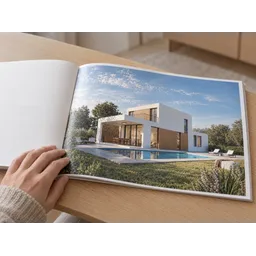
XHOME manufactures AI‑designed prefabricated homes using standardized light‑steel frames and composite ceramic panels, enabling factory production of 200‑300 precision parts and on‑site robotic assembly that can complete a Flex unit in under four hours. The modular catalog (600‑1,800 sq ft) offers configurable layouts with integrated smart‑home controls, high‑efficiency insulation, optional solar‑plus‑storage, and customers can purchase directly or via an equity‑secured monthly payment plan.
Find Investable Startups and Competitors
Search thousands of startups using natural language—just describe what you're looking for
Prefabricated Housing Startups
50 companies matched by StartupSeeker’s semantic search. Average reported funding: $60.5M.
Snapshot from
This startup provides prefabricated, panelized building systems using pre-engineered steel or concrete wall panels to streamline construction in emerging housing markets. Their technology enables faster assembly, lower labor costs, and improved durability, allowing homebuilders to reduce project timelines and minimize material waste.
This startup provides custom construction services for single and multi-family homes using a patented prefabricated building system that significantly reduces construction time. By minimizing the environmental impact on energy, water, and resources, the company delivers cost-efficient and sustainably designed homes.
Social Construct is developing modular construction technologies that utilize prefabricated components to streamline the building process and reduce construction time. The startup aims to provide affordable housing solutions to address the growing demand for accessible and sustainable living spaces.
Integral Methods manufactures standardized, prefabricated structural modules in a factory and uses on‑site robotics to assemble them into single‑family homes. This reduces material waste, labor costs, and construction time, enabling homes to be sold at prices aligned with median household incomes. The company sells completed, code‑compliant houses directly to working‑class buyers and regional developers.
Boxabl utilizes patented modular construction technology to mass-produce prefabricated homes that can be folded for efficient transport and installation. This approach significantly reduces housing costs and simplifies the logistics of home delivery, addressing the need for affordable and accessible housing solutions.
The American Housing Corporation is a vertically integrated real estate developer and housing manufacturer that produces mass‑produced, affordable starter rowhomes for families in high‑growth U.S. cities. It designs a proprietary kit‑of‑parts, fabricates components in its own factories, ships them in intermodal containers, and assembles the homes on‑site within days, using an internal software platform to coordinate land acquisition, underwriting, production, and installation. Revenue is generated by buying land, building the homes, and selling them directly to end‑buyers.
homeD manufactures 350 sq ft factory‑built modular housing units that include bathroom, kitchen and living space, and can be stacked to create multi‑level structures. The plug‑and‑play modules are produced off‑site, shipped fully assembled and installed in days, providing rapid, reusable shelter for government agencies, NGOs and affordable‑housing developers while reducing construction waste and operational energy use. Integrated digital dashboards enable real‑time tracking of delivery, compliance and performance metrics.
Modal Living designs and manufactures modular housing units that can be easily installed on residential properties, providing homeowners and investors with additional income opportunities through short- or long-term rentals. Their construction process utilizes recycled materials and minimizes waste, addressing the need for affordable and environmentally responsible housing solutions.
Blokable utilizes modular construction technology to streamline the development of multi-family housing, significantly reducing both construction costs and timelines. The company addresses the housing shortage by providing efficient, scalable solutions for urban living.
This Seattle-based startup constructs urban housing on orphan lots using an integrated real estate development platform that transforms major building costs into prefabricated components. By establishing direct supply chain relationships with manufacturers and installers, the company delivers affordable workforce housing at significantly reduced costs.
This startup operates a vertically integrated construction company that utilizes flexible modular building systems and a combination of off-site prefabrication and on-site assembly to create multistory residential buildings. By optimizing land use and providing customizable plans, the company delivers sustainable living spaces at affordable prices, addressing the need for cost-effective housing solutions.
Simple Homes utilizes a panelized construction system to design, manufacture, and assemble homes efficiently. This approach reduces construction time and costs while providing a streamlined solution to the housing shortage.
The startup operates a modular home platform that utilizes an automated production line to manufacture fully customizable homes, which are then transported to various locations for assembly. This approach addresses the high costs and logistical challenges of traditional home construction by enabling affordable, efficient, and flexible housing solutions.
De Betaalbare Woning provides cost-effective and rapidly deployable housing solutions through modular construction and prefabricated components. Their approach utilizes circular economy principles to reduce lead times and project expenditures for developers and housing associations.
CloudHaus Dwellings, LLC designs prefabricated, panelized structures using metal structural insulated panels (SIPs) to create sustainable, hazard-resistant homes. These zero-maintenance, energy-efficient dwellings reduce carbon emissions by 30% and cut energy bills by 75%, providing a long-lasting solution for climate change challenges.
Briller.House utilizes a digital construction technology that assembles prefabricated components with precision CNC machining, enabling the rapid construction of sustainable homes in just two weeks. This approach eliminates intermediaries and reduces costs, addressing the inefficiencies and environmental impact of traditional building methods.
LynxCraft offers a cloud-based platform that enables users to design homes using a standardized 19-piece prefabricated construction system, ensuring rapid assembly and high-quality builds. This approach addresses the lengthy and complex homebuilding process by providing real-time pricing and documentation, allowing users to complete their designs and order their homes within minutes.
Polyhaus provides a patent-pending mass timber construction system that accelerates housing development. Utilizing digitally fabricated Cross-Laminated-Timber (CLT) panels, the company offers pre-designed, energy-efficient homes that significantly reduce build times and enhance wildfire resilience.
ZenniHome manufactures modular, factory-built homes that utilize standard shipping sizes for efficient transportation, addressing the need for affordable housing solutions. Their designs feature adaptable layouts that maximize space and comfort, making them suitable for various residential developments.
Abodu designs and constructs customizable accessory dwelling units (ADUs) that can be installed in as little as six months, providing additional living space for various needs such as home offices or rental units. Each unit features a full kitchen and bathroom, addressing the demand for flexible housing solutions in California's tight real estate market.
Bloom Extensions provides fully prefabricated modular house extensions manufactured in a controlled factory environment. This allows for rapid on-site installation in an average of five days, minimizing homeowner disruption and ensuring consistent build quality. The process also enhances energy efficiency and sustainability through precise construction and reduced material waste.
This startup provides automated volumetric modular construction services for affordable multiunit housing, utilizing a combination of human and robotic functions to enhance efficiency. By streamlining the construction process, the company addresses the urgent need for cost-effective housing solutions in a rapidly growing market.
This company provides sustainable, prefabricated bungalow designs for glamping and vacation rentals, offering property owners an eco-friendly and customizable accommodation option. Their solar-powered and energy-efficient structures aim to create profitable and nature-focused experiences for guests.
The startup offers a real estate platform that utilizes industrialized construction methods to facilitate the home-building process. Customers can efficiently find land, design prefabricated houses, and secure financing, streamlining the planning and construction phases of homeownership.
This company provides a digital platform and integrated services to manage low-carbon construction projects from design through execution. They utilize prefabricated solutions, including mass timber components, to significantly reduce CO2 emissions and construction timelines for multifamily housing. The platform connects designers, suppliers, and builders with digital tools to enhance efficiency, traceability, and project returns.
nHouse designs and constructs eco-friendly modular homes using precision technology and sustainable materials, enabling efficient offsite manufacturing and rapid onsite assembly. This approach addresses the need for affordable housing solutions that minimize environmental impact while providing spacious, high-quality living spaces.
This construction company prefabricates customized homes and accessory dwelling units (ADUs), managing the entire building process from design and permitting to fabrication and assembly. They leverage a proprietary collaboration platform and robust supply chain to deliver end-to-end building solutions.
This company designs and constructs homes using repurposed shipping containers, offering an affordable and rapidly assembled housing alternative. Their steel construction provides durability and resistance to environmental hazards like wind, water, fire, and pests.
Resimate is a marketplace that assesses property eligibility for accessory dwelling units (ADUs) based on local bylaws and connects homeowners with qualified builders for prefabricated backyard homes. By streamlining the planning and installation process, Resimate reduces the time and costs associated with adding functional living spaces to residential properties.
Samara offers home renovation, interior design, and architectural services, utilizing advanced project management software to streamline design processes and enhance client collaboration. The company addresses the challenges of inefficient communication and project delays in home improvement projects, ensuring timely and cost-effective renovations.
VynciTech offers AI‑enabled planning combined with modular system‑building methods to streamline residential and urban development projects. Their platform integrates generative design, BIM, and specialized analysis tools to deliver precise cost, energy, and space data early in the design phase. By using prefabricated components and digital workflows, they help clients create sustainable, affordable housing faster and with lower construction waste.
Factory_OS utilizes modular construction techniques and advanced manufacturing processes to produce multifamily housing units more efficiently and at a cost reduction of 20% to 40%. This approach addresses the urgent need for affordable housing while creating local jobs and enhancing construction speed by 40% to 50%.
HiveASMBLD delivers automated construction solutions by integrating 3D printing technology with prefabricated panelized building systems. This hybrid approach produces stronger, more efficient structures significantly faster and at a lower cost than conventional building methods. The company focuses on providing scalable housing solutions to address affordability and construction speed challenges.
This company uses flexible robotic systems and transformative technology to automate construction processes. Their software digitizes building plans, allowing robots to manufacture components with repeatable precision offsite. This results in faster, safer, and more affordable home construction with minimized material waste.
Papaya Homes operates as a Precision Modular Developer and Consultant Platform offering streamlined housing solutions across various models, including multifamily, ADUs, and single-family homes. The company manages the entire development lifecycle, providing consulting, contracting, financial advisory, and construction management services to expedite project completion. They leverage an extensive network of factory partners to deliver sustainable, quality-built modular units nationwide.
Paradigm manufactures robotic‑automated prefabricated wall panels, trusses and solar‑ready modules for net‑zero, climate‑ and fire‑resilient residential and multi‑family homes in Western Canada. The company supplies the panels and provides full‑service construction, enabling rapid on‑site assembly with integrated solar and battery systems for energy independence while lowering build time, waste and cost.
This company manufactures modular living spaces using robotic 3D-printed construction techniques. They utilize recycled plastic waste as a primary building material, aiming for zero print waste in their process. The resulting homes offer energy efficiency and significantly faster construction timelines compared to traditional building methods.
AMODA provides a prefabricated construction solution that utilizes modular building technology to deliver high-quality structures with rapid setup times and cost efficiency. By streamlining the construction process through digital integration, AMODA addresses the challenges of time delays and budget overruns in the construction industry, enabling businesses in Indonesia to build spaces quickly and affordably.
Cuby designs and operates Mobile Micro-Factories (MMF)™ that manufacture and assemble homes, significantly reducing labor hours by 10x while improving quality and lowering costs. The startup addresses the critical housing shortage by increasing production capacity to meet the demand for 6.5 million new homes needed by 2030.
Reframe Systems is a vertically integrated design-build partner that delivers high-performance housing using robotics and automation in local microfactories. They manage the entire process from design and permitting through fabrication and final occupancy, ensuring predictable timelines and quality outcomes. This tech-enabled approach replaces traditional construction uncertainty with precision manufacturing for resilient residential projects.
HAUS is a B2B marketplace offering prefabricated timber-frame systems for net-zero homes, utilizing Modern Methods of Construction (MMC) to achieve wind-tight and watertight structures in just 3-4 days. The platform connects buyers and suppliers with a wide range of sustainable building materials and services, enabling faster and more efficient construction and retrofitting of energy-efficient homes.
Hillnic manufactures precision-engineered housing modules in a controlled factory environment for rapid on-site assembly. This approach accelerates housing delivery timelines and improves cost management for developers focused on smaller housing schemes.
Zen Modular utilizes hybrid modular construction techniques with prefabricated components to significantly reduce project timelines and costs. The company provides eco-friendly building solutions that minimize waste and energy consumption, addressing inefficiencies in traditional construction methods.
The startup develops robotics technology that constructs custom panels for building projects, integrating systems for mechanical, plumbing, electrical, and insulation needs. This approach enables builders and architects to create weather-tight structures at a fixed cost, reducing construction time and material waste.
Villa provides prefabricated modular homes built in a factory-controlled environment for faster, more predictable construction. They manage the entire process from design to installation, offering a turnkey solution for homeowners and developers.
indieDwell manufactures affordable, energy-efficient homes using modular construction techniques and sustainable materials to create durable housing solutions. The company provides cost-effective options to combat the shortage of quality housing while promoting healthier living environments.
Tala manufactures fully modular residential and utility buildings using prefabricated cross‑laminated timber and certified biobased components. The factory‑built modules can be assembled on‑site in a single day, delivering CO₂‑neutral, high‑performance structures with integrated insulation, green roofs and optional solar and smart HVAC systems. The system targets developers, municipalities and architects seeking rapid, low‑impact construction and circular material use.
Tinybox manufactures fully off-grid tiny home kits designed for remote and challenging climates. These kits feature vacuum-insulated panels and modular, click-together components for rapid, crane-free assembly. The company provides customizable designs with guaranteed pricing for self-sufficient, durable housing solutions.
Hapi Homes utilizes pre-engineered construction methods to deliver customizable homes in 12 weeks or less, addressing the lengthy timelines typically associated with traditional home building. By integrating modern design technology and sustainable practices, the company provides tailored living solutions that maximize space efficiency and meet diverse customer needs.