This company develops and distributes Imperium, a low-carbon industrial hemp-based material additive for plastics, textiles, and construction. Imperium reduces material cost and weight while significantly lowering the carbon footprint of finished goods without requiring equipment retooling. They partner with farmers to integrate hemp into crop rotations, creating resilient, regenerative supply chains for global manufacturers.
Find Investable Startups and Competitors
Search thousands of startups using natural language—just describe what you're looking for
Plastics And Rubber Products Startups - Pre Seed
50 companies matched by StartupSeeker’s semantic search. Average reported funding: $501.4K.
Snapshot from
Ukhi produces bio-granules from hemp and bamboo that can be directly utilized in thermoplastic applications such as injection molding and film drawing, creating compostable products. This technology addresses plastic pollution by providing a sustainable alternative to conventional plastics, contributing to environmental conservation.
<name>MacroCycle Technologies</name> <description>MacroCycle uses a patented macrocycle chemistry process to upcycle PET and polyester waste into virgin‑grade resins with up to 80% lower energy use than conventional recycling. The technology produces drop‑in recycled plastics at market price, eliminating landfill and ocean‑bound waste while delivering zero‑carbon emissions when powered by renewables. These high‑quality, low‑cost materials help manufacturers meet PCR regulations and reduce Scope 3 emissions without a green premium.</description
PhaBuilder uses synthetic biotechnology to engineer halophilic microorganisms for the production of high-value, biodegradable materials. Their focus is on producing PHA, a biodegradable plastic alternative, as well as other specialty chemicals like ectoine and cadaverine, using next-generation industrial biotechnology.
Outlander Materials utilizes biotechnology to convert food waste, particularly from breweries, into compostable materials like UnPlastic, which serve as non-toxic alternatives to single-use plastics. This process addresses the issue of plastic pollution by creating biodegradable products that do not break down into harmful microplastics, thereby promoting a circular economy.
BUYO transforms agricultural and food bio-residues into nature-based, biodegradable bio-materials as a sustainable alternative to conventional plastics. Their proprietary technology converts waste into high-performance bio-resins compatible with existing plastic manufacturing machinery. This process supports a circular economy by offering industries like packaging and consumer goods a material solution that reduces plastic footprint and fully composts without toxicity.
Eden Materials converts date seed waste into a high‑strength biodegradable polymer that matches the performance of conventional plastics and can be processed with existing extrusion and molding equipment. The bioplastic is fully industrial‑compostable, offering packaging and consumer‑goods manufacturers a low‑cost, sustainable alternative while creating a circular value chain for date growers.
This startup develops recycled accessories from chemically separated metalized multi-layered plastic packaging, which is mechanically upcycled into high-quality materials. Their products help users minimize plastic waste that typically ends up in landfills.
This startup manufactures a biodegradable laminating film made from renewable resources like corn, featuring a water-soluble, toxin-free glue layer tailored for industrial applications. The film provides an eco-friendly alternative to traditional plastics, facilitating easier recycling and reducing environmental pollution across various industries.
Uuvipak transforms food and beverage manufacturing byproducts into compostable and edible materials, directly addressing the issue of plastic waste in the environment. By utilizing biopolymer technology, the company offers sustainable alternatives that reduce reliance on traditional plastic packaging.
Ecoplas produces cassava-based bio-assimilation bioplastics and Oxium bio-assimilation additives that decompose naturally, reducing plastic waste in landfills and oceans. The startup supports a holistic circular economy by promoting the principles of reuse, recycling, and returning materials to the earth.
This startup operates a plastic recycling facility that collects plastic waste from traditional fishermen and processes it into sustainable products using advanced recycling techniques. By transforming ocean-bound plastic into usable materials, the company directly addresses the issue of marine pollution while providing clients with eco-friendly alternatives.
CICLA 3D manufactures high-definition 3D printing filaments from composite and recycled materials, addressing the environmental impact of plastic waste in the 3D printing industry. The company also offers a recycling program for failed prints and filament remnants, promoting sustainable practices among users.
Alterpacks develops a home compostable packaging material made from upcycled agricultural waste and food by-products, effectively eliminating reliance on single-use plastics. This technology not only reduces environmental waste but also contributes to a circular economy by transforming organic waste into nutrient-rich soil after use.
Mi Terro engineers agricultural waste into bio-based, water-degradable biomaterials that replace microplastics in products like food packaging and detergent pods. Their patented technology utilizes non-food feedstocks, resulting in lower CO2 emissions and no competition with food production, while providing superior mechanical properties compared to conventional plastics.
SALUBATA develops modular footwear made from repurposed ocean plastic bottles, utilizing a patented Air Bubble technology that enhances comfort and reduces manufacturing energy consumption by over 70%. This approach addresses the environmental impact of plastic waste while providing consumers with durable and stylish shoes.
RiKarbon develops renewable oils and ingredients using non-conventional carbon feedstocks, including agricultural waste, to create bio-based products for the specialty and performance chemicals market. This approach addresses the need for sustainable alternatives in industries facing stringent environmental regulations, such as lubricants and personal care products.
Mush is a biotechnology platform that utilizes mycelium-based technology to create biodegradable materials as alternatives to conventional plastics. This solution directly addresses the environmental issues caused by plastic waste by offering sustainable materials that decompose naturally.
This company provides a centralized platform for buyers to access thousands of verified, quality recycled plastic options from numerous suppliers. They ensure material quality through verification and technical documentation, offering competitive, data-driven pricing and streamlined logistics across Europe. Ambio facilitates seamless procurement of recycled polymers for applications like injection molding while connecting recyclers with consistent industrial demand.
This company specializes in solvent-based recycling processes for engineering plastic waste, such as ABS, PC, PA, and PMMA. The process dissolves the target plastic to effectively remove interior and exterior contaminants, yielding high-quality recycled material superior to mechanically recycled outputs. This method enables the closed-loop recycling of engineering plastics required for high-end applications in electronics and automotive sectors.
This startup manufactures backpacks and accessories from recycled ocean plastics, specifically utilizing the PET fraction to create durable products. By transforming waste materials into functional items, the company aims to reduce plastic pollution and promote marine ecosystem preservation.
This startup manufactures eco-friendly sneakers using recycled ocean plastic, organic cotton, and natural rubber to minimize waste and reduce carbon emissions. Their products provide consumers with durable and stylish footwear while addressing the environmental impact of traditional sneaker production.
Plastogaz utilizes catalytic hydrocracking technology to convert waste plastics into high-quality circular feedstock for the chemical industry, significantly enhancing energy efficiency and product yield. This process addresses the challenge of plastic waste by transforming it into valuable resources, thereby supporting sustainability and reducing carbon footprints in chemical production.
This startup develops biodegradable packaging materials made from sugar cane, recycled paper, and PLA to replace single-use plastics in the food service industry. Their products, including takeaway boxes, plates, cutlery, and cups, enable businesses to minimize waste and enhance their sustainability efforts.
This startup develops biodegradable bioplastics from natural biopolymers, offering strong, leakproof, and durable alternatives to traditional plastics and paper products. Their materials enable industries to adopt environmentally friendly packaging solutions within a circular economy framework.
Plastus provides 100% biodegradable bioplastics derived from PHAs, engineered for strength and durability. These sustainable materials offer a functional alternative to conventional plastics and paper, enabling businesses to adopt circular economy principles in their products and packaging.
This startup develops recycled sunglasses made from marine plastics, specifically ghost nets, to combat ocean pollution. By utilizing a circular economy framework, the company creates durable, recyclable products that contribute to reducing harmful plastic waste in marine environments.
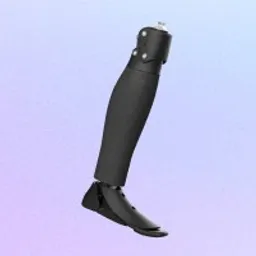
Project Circleg manufactures sustainable prosthetic legs for amputees using recycled plastics, which lowers production costs and minimizes environmental impact. The company provides an affordable and eco-friendly mobility solution in a market where high costs and waste are significant barriers for users.
Bpacks has developed a bark packaging technology that utilizes by-products from the timber industry to create fully compostable packaging solutions, effectively replacing petroleum-based rigid plastics. This approach addresses the significant environmental impact of single-use plastic food packaging, which contributes to global waste and pollution.
Algeon Materials develops sustainable plastic alternatives using macroalgae, which require no fresh water, land, or fertilizers for cultivation. This approach addresses the environmental impact of petroleum-based plastics, which take over 500 years to degrade and contribute significantly to ocean pollution.
This startup develops vegan sneakers made from components recycled from plastic waste, including old sneakers and plastic bags. By utilizing a closed-loop recycling process, the company reduces plastic pollution while providing sustainable footwear options.
The startup develops biodegradable plastic materials from plant-based biomass, providing a sustainable alternative to petroleum-based ABS plastic. This technology directly addresses the issue of plastic pollution by offering a natural replacement that reduces reliance on fossil fuels.
Impressio develops ultra-dissipative liquid-crystal elastomer materials that provide superior energy absorption across a wide range of temperatures and frequencies, making them ideal for applications in protective equipment and medical devices. Their proprietary manufacturing process is protected by strong intellectual property, ensuring consistent performance that outperforms traditional viscoelastic materials.
This startup produces bio-based plastics from marine waste and algal biomass, utilizing green macroalgae collected from beaches. By converting this pollutant into biodegradable and recyclable plastic products, the company addresses the environmental impact of plastic waste and promotes sustainable development.
PlasticBack utilizes a low-temperature chemical process to convert complex waste plastics, including PVC and multilayer materials, into valuable hydrocarbons and crude oil. This technology addresses the challenge of recycling non-homogeneous plastic waste that is typically sent to landfills or incinerated, achieving carbon efficiencies of up to 95%.
Takataka Plastics employs advanced recycling techniques to transform plastic waste into durable products such as wall tiles, coasters, and face masks. This process reduces plastic pollution and landfill waste by providing sustainable alternatives to conventional materials.
BioLabMate develops biodegradable and recyclable lab equipment made from seaweed-based bioplastics, providing a sustainable alternative to traditional petroleum-based plastics. This innovation addresses the environmental impact of plastic waste in research labs by utilizing renewable materials that reduce carbon emissions and promote ecological balance.
The startup manufactures an automated polymer materials testing machine that conducts rapid stress tests on plastics and rubber using intelligent software for sample processing and data analysis. This technology enables materials manufacturers to reduce costs and time in product development by automating physical testing and data collection.
SpadXTech uses a low‑temperature microbial fermentation platform to turn renewable feedstocks, including upcycled food waste, into cellulose‑based biopolymers. The resulting fabrics, foams and films match the strength, flexibility and barrier performance of conventional plastics while being fully biodegradable and compatible with existing textile, molding and coating equipment. This enables manufacturers in textiles, construction, packaging and related sectors to replace petroleum‑derived plastics without redesigning their supply chains, reducing energy use and carbon emissions.
Ourobio employs engineered microorganisms to transform industrial byproducts into biodegradable plastic additives, thereby reducing the need for fossil fuels in plastic production. This process mitigates the environmental impact of conventional plastics by minimizing waste and lowering carbon emissions.
QuickBlock offers a modular building system made from 100% recycled plastic, designed for rapid assembly without the need for specialized tools. This solution provides a sustainable alternative to traditional concrete blocks, addressing the need for durable, easily reconfigurable structures in various applications, including humanitarian aid and military training environments.
The startup develops an additive manufacturing system utilizing photopolymerization for automatic single-step post-processing of plastic parts. This technology targets high-mix, low-volume manufacturing needs in sectors such as automotive, aerospace, and medical devices, reducing post-processing time and costs.
Groam develops bio-based and biodegradable foam solutions specifically designed for single-use products, addressing the environmental impact of traditional plastic disposables. Their technology offers a sustainable alternative that decomposes naturally, reducing landfill waste and pollution.
TCPoly develops thermally conductive polymers for additive manufacturing, enabling the production of heat-dissipating components such as heat sinks and battery packs. Their technology allows for rapid prototyping and scaling of custom parts, addressing the need for efficient thermal management in electronic applications.
This biotechnology company develops a bio-resin system that binds natural fibers such as flax, hemp, and jute to create durable, fully biodegradable biocomposites. By providing a sustainable alternative to traditional crude-oil resins, the company enables industries to produce environmentally friendly products without compromising on strength or performance.
Aeternal Upcycling utilizes patented hydrogenolysis technology to convert single-use plastic waste into valuable ingredients for packaging, cosmetics, and lubricants, effectively diverting millions of tons of plastic from landfills and incineration annually. By transforming the unrecycled 95% of plastic waste, the company contributes to a circular economy and provides sustainable, low-emission alternatives for various industries.
Moldsonics manufactures ultrasonic sensors specifically designed for the plastics processing industry, enabling non-contact measurement of critical quality parameters such as flow fronts and solidification behavior. This technology reduces production waste by at least 10%, lowers manufacturing costs, and enhances overall process efficiency.
The startup produces high-performance running shoes made from plant-based materials, ensuring they are plastic-free and sustainably manufactured. By offering affordable footwear options, the company addresses the demand for environmentally friendly athletic gear without compromising on performance.
This startup manufactures public water vending machines that dispense filtered water, eliminating the need for single-use plastic bottles. They also provide refillable steel bottles and apparel made from recycled plastics, enabling environmentally conscious consumers to access sustainable hydration solutions on the go.
This startup produces sustainable condoms made from regenerative rubber to address the decline in sexual activity, which is linked to decreased happiness and connection among individuals. By promoting more frequent sexual encounters, the company aims to enhance personal well-being while contributing to environmental sustainability.