The startup develops a raw material for paper production using fallen leaves collected from urban environments, significantly lowering water and energy consumption in the manufacturing process. This technology enables paper manufacturers to produce sustainably while minimizing their environmental footprint.
Find Investable Startups and Competitors
Search thousands of startups using natural language—just describe what you're looking for
Paper Manufacturing Startups in Europe
50 companies matched by StartupSeeker’s semantic search. Average reported funding: $37.6M.
Snapshot from
PaperShell manufactures load-bearing components from pressed paper, creating a sustainable alternative to plastics and metals that significantly reduces CO2 emissions by up to 98%. This technology transforms waste paper into high-performance, biogenic materials, addressing the environmental impact of single-use items and fossil fuel reliance.
This startup produces vegan-certified and FSC-certified bamboo hygiene products, utilizing natural extraction processes to create tissue paper with zero carbon footprints. Their offerings address the need for sustainable and skin-friendly alternatives to conventional hygiene products, reducing both health hazards and environmental impact.
Papier is an online marketplace that offers a wide selection of premium, customizable paper products—including diaries, notebooks, journals, photo books, and greeting cards—through an intuitive design studio. Customers can personalize layouts, materials, and finishes such as foil stamping or leather binding, and the platform handles production and worldwide shipping, providing ready‑to‑use, bespoke stationery for everyday use and special occasions.
This startup manufactures biodegradable packaging products using bio-resin and coated paper as sustainable alternatives to single-use plastics. Their solutions aim to significantly reduce plastic pollution by providing commercial clients with effective substitutes for millions of plastic straws.
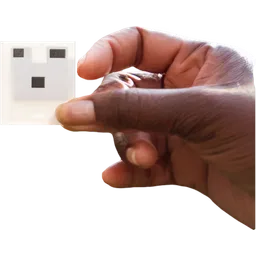
PulpaTronics develops metal-free RFID tags by laser-inducing conductive circuitry directly onto paper substrates. This innovation eliminates traditional metal antennas, simplifying manufacturing processes for item-level tracking. The resulting tags are fully compatible with existing paper recycling streams, reducing waste and resource consumption.
qCella provides ultra‑thin, flexible heating mats made from copper‑functionalized cellulose fibers that deliver radiation‑based cabin heating for electric vehicles. The mats improve heating efficiency by up to 50% and can extend vehicle range by 10–25% in cold weather, while being produced with low‑cost, scalable paper‑making processes and customizable to any interior surface. The same copper‑cellulose composite can also serve as a conductive additive for specialty paper and polymer compounds, enabling applications such as electromagnetic shielding and low‑maintenance process heating.
Yangi develops Cellera™, a proprietary dry-forming technology that utilizes airlaid fiber to produce rigid, cellulose-based packaging, significantly reducing CO₂ emissions by up to 70% compared to traditional plastic options. This solution addresses the urgent need for sustainable packaging alternatives in response to regulatory pressures and consumer demand for eco-friendly products.
Pulpex provides a patented, fibre‑based bottle made from sustainably sourced wood pulp that can replace PET and glass packaging for still beverages. The technology uses a high‑speed wet‑moulding process and a food‑grade internal coating, allowing manufacturers to produce renewable, low‑carbon bottles on existing filling lines and recycle them through standard paper/card streams.
Factbird provides an AI‑enabled manufacturing intelligence suite that unifies data capture, performance analytics, and workflow automation across the shop floor. Its plug‑and‑play edge devices and cloud platform deliver real‑time OEE, downtime, and utility monitoring, paperless quality and maintenance workflows, and AI‑driven visual insights to help manufacturers improve efficiency and drive continuous improvement.
BeFC develops paper-based bioenzymatic fuel cells that provide a sustainable energy source for low-power applications, offering a metal-free and compostable alternative to conventional batteries. This technology addresses the environmental impact of battery disposal by providing a recyclable solution that meets the energy needs of IoT devices and microelectronics.

Lumiform provides an AI-powered platform to digitize checklists, inspections, and audits, replacing manual paper processes. The system enables instant visibility into frontline operations, helping teams uncover inefficiencies and maintain safety and quality standards. Users benefit from automated reporting, real-time dashboards, and streamlined corrective action workflows for continuous operational improvement.
ExpandFibre develops sustainable bioproducts by upgrading pulp fibers, hemicellulose, and lignin sourced from straw and northern wood into textile fibers and other biomaterials. This approach addresses the demand for high-volume, low-carbon alternatives to fossil-based products in the textile industry.
This company provides an AI-powered packaging platform called Quartermaster that transforms complexity into clarity for packaging go-to-market strategies. The platform uses AI-driven insights to optimize material scouting, accelerate packing trials, and ensure product-market fit for new packaging solutions. They deliver ready-to-use, sustainable packaging options balanced for performance, cost, and regulatory compliance.
Quantica utilizes advanced inkjet technology to enable digital manufacturing of high-viscosity materials for 2D and 3D applications, allowing for precise, drop-on-demand printing that minimizes waste. This technology provides manufacturers with the ability to customize designs rapidly and efficiently, supporting high-speed production for various industrial sectors.
Workerbase is a low-code platform that digitizes manufacturing operations by automating workflows and integrating over 100 systems for real-time data access. This solution enhances productivity and operational efficiency, enabling manufacturers to increase revenue by optimizing key performance indicators such as throughput and downtime.
Greentech licenses Dry Molded Fiber technology to produce low-cost, high-performance fiber-based packaging that is recyclable, compostable, and biodegradable. This technology significantly reduces CO2 emissions and resource consumption compared to traditional single-use plastics, addressing the urgent need for sustainable packaging solutions.
Miraclon provides an integrated FLEXCEL NX solution for flexographic printers, combining a single core plate type, precision imaging equipment, specialized software, and application expertise. The system delivers consistent plate quality, reduces waste and setup time, and enables the use of sustainable inks and substrates, improving pressroom efficiency and supporting sustainability goals.
The startup has developed a paper barrier coating technology that maintains the recyclability of paper while ensuring it remains biodegradable and compostable. This technology directly addresses the growing issue of plastic waste in packaging across various industries by providing an eco-friendly alternative.
Azumuta provides a comprehensive software platform designed to digitize the factory shop floor and eliminate paper-based processes. The platform integrates modules for Manufacturing Execution Systems (MES), digital work instructions, quality assurance, and skill matrix management. This centralization of shop floor data and workflows enables manufacturers to improve operational efficiency, ensure compliance, and capture real-time production insights.
Wollette offers a digital receipt platform that integrates with point-of-sale systems to provide secure, anonymous transmission of receipts from merchants to consumers. This solution reduces paper waste while enabling consumers to access personalized rewards and price comparisons, enhancing their shopping experience.
reMarkable develops paper tablets that replicate the tactile experience of writing on paper while offering digital features such as handwriting conversion and cloud synchronization. This technology addresses the need for a distraction-free environment for note-taking and document management, allowing users to organize their work efficiently without relying on traditional paper.
The startup develops renewable, recyclable, and biodegradable materials from agricultural waste, utilizing vegetable and biodegradable fibers to create strong and durable alternatives to plastic and wood. This addresses the environmental impact of plastic pollution and the unsustainability of traditional wood products by providing a non-toxic solution for various applications.
CILKOA provides a proprietary barrier coating that can be applied directly to paper packaging, delivering moisture, oxygen, and oil protection comparable to multi‑layer plastic films while preserving the paper’s flexibility, printability, and recyclability. The thin, transparent coating meets food‑grade standards and can be integrated into existing converting and printing lines via roll‑to‑roll or spray systems, offering a sustainable alternative for food, beverage, and consumer goods packaging manufacturers.
Flexi-Hex manufactures protective packaging sleeves using a patented honeycomb design made from 100% recycled paper, which significantly reduces breakage rates during transit. This solution replaces traditional plastic packaging, minimizing environmental waste while ensuring the safe delivery of fragile products across various industries.
This startup manufactures a biodegradable laminating film made from renewable resources like corn, featuring a water-soluble, toxin-free glue layer tailored for industrial applications. The film provides an eco-friendly alternative to traditional plastics, facilitating easier recycling and reducing environmental pollution across various industries.
Seprify produces high‑performance functionalingredients derived from renewable cellulose for use in coatings, cosmetics, food, inks, pharma, and other industries. Their plant‑based materials are biodegradable, safe, and designed to replace traditional petrochemical additives while reducing carbon emissions. The company offers ready‑to‑use, sustainable solutions that enhance product performance and support circular bioeconomy goals.
This company provides a full technology stack of software and inkjet solutions for the print industry, serving markets from labels and packaging to commercial printing. Their offerings automate prepress workflows, manage color accurately, and integrate 3D visualization for packaging design. They deliver tailored solutions across enterprise workflows, native PDF editing, and high-speed Digital Front Ends (DFEs).
ReceiptHero provides a platform for merchants to transition from paper receipts to digital receipts by linking structured purchase data with payment transactions, ensuring secure data management and compliance with privacy regulations. This solution enhances customer engagement through personalized discounts and loyalty rewards while significantly reducing paper waste and carbon emissions.
anybill provides a digital receipt solution that replaces traditional thermal paper with QR code-based receipts, enabling customers to receive and store their purchase records electronically. This technology reduces paper waste, lowers operational costs, and enhances customer engagement through direct digital touchpoints at the point of sale.
The startup develops enterprise software tools for production scheduling in the manufacturing sector, enabling efficient workflow management and supply chain oversight. Their configurable solutions digitize forms and streamline operations, resulting in reduced operational costs and improved communication.
CH-Bioforce has developed BIOFORSENSE®, a biomass fractionation technology that gently extracts cellulose, hemicellulose, and lignin from various feedstocks in a single process. This technology provides high-purity biomaterials for industries such as textiles and packaging, addressing the need for sustainable raw materials in the production of eco-friendly products.
This startup manufactures a carbon-negative building board using secondary paper sludge waste from recycled paper production, resulting in a product that is stronger, more versatile, and fully recyclable. By providing a cost-effective alternative to traditional building materials, the company reduces waste in the construction industry while enhancing sustainability.
This startup manufactures sustainable packaging using agro-fibers sourced from renewable agricultural materials, significantly reducing reliance on wood and single-use plastics. Their products provide businesses with a lower environmental footprint, facilitating a transition to a low-carbon circular economy.
Kobeya offers a digital platform that transforms manufacturing instructions into interactive, real-time tools for production teams, enhancing operational performance and quality tracking. By streamlining communication and data access, the software reduces waste and improves productivity by up to 30%, while minimizing errors and paper usage by 90%.
Ecohelix utilizes a patented technology to extract hemicellulose and lignin from wood industry byproducts, converting them into high-performance WOODMER® biopolymers. This process provides sustainable alternatives to fossil-based materials in packaging, construction, and other applications, significantly reducing greenhouse gas emissions.
This startup manufactures natural material products for luxury brands, research laboratories, and prototyping workshops, utilizing advanced material engineering techniques to enhance the properties of various natural substances. By reintegrating these materials into production processes, clients can unlock new creative applications and improve sustainability in their product offerings.
The Good Roll produces 100% sustainable toilet paper made from bamboo and recycled paper, eliminating the need for tree harvesting and harmful chemicals. The company addresses the lack of access to clean sanitation facilities by donating 50% of its profits to build toilets in Ghana, improving hygiene and health for underserved communities.
This startup develops biodegradable packaging materials made from sugar cane, recycled paper, and PLA to replace single-use plastics in the food service industry. Their products, including takeaway boxes, plates, cutlery, and cups, enable businesses to minimize waste and enhance their sustainability efforts.
Pulpstack offers a 3D‑printing platform that uses custom‑formulated cellulose, a renewable and biodegradable biopolymer, as feedstock to produce high‑performance parts. Their solution combines proprietary printing hardware, software that optimizes geometry and print settings, and post‑curing processes to achieve strength and finish comparable to engineering plastics, targeting designers and manufacturers seeking sustainable additive manufacturing.
The startup produces sustainable packaging materials using mycelium technology, which offers a degradable alternative to traditional packaging. These materials effectively absorb oils and are designed for gradual substance release, enabling industrial users to implement environmentally responsible protective packaging solutions.
This startup manufactures a paper-based air cushioning wrap as a sustainable alternative to traditional plastic bubble wrap, utilizing eco-friendly materials to provide reliable product protection during shipping. By offering a biodegradable solution, the company meets the growing demand for environmentally responsible packaging in the logistics industry.
The startup produces plant-based cushioning packaging materials derived from agricultural residue, providing a sustainable alternative to traditional packaging solutions. This technology enables businesses to lower their environmental impact and packaging costs while ensuring product protection.
The startup develops bioassay technology that integrates clinical biomarker development, bioinformatics, and paper-based microfluidics to create assays for early detection of liver damage. This technology enables healthcare providers to quickly identify liver issues, reducing treatment costs and optimizing patient care.
The startup develops sustainable electrolytes for large-scale energy storage by converting waste materials from the paper industry into vanillin and electrochemically active components for redox flow batteries. This approach enables enterprises to minimize the environmental impact associated with traditional energy storage solutions.
The startup transforms agricultural byproducts into sustainable materials using eutectic solvents to extract cellulose and chitin. This process addresses the issue of plastic pollution by providing a viable alternative derived from untapped agri-food waste resources.
This company provides an autonomous, plug-and-play operating system powered by specialized AI agents for industrial manufacturing processes. The system continuously optimizes machine settings in real-time to reduce energy consumption and CO2 emissions while improving machine uptime. This results in guaranteed energy use reduction, lower COGS, and potential new revenue streams from Demand-Side Response.
The startup provides eco-friendly packaging services that utilize a platform to generate optimized cutting and creasing pattern data for various production methods. This technology enables small and medium-sized enterprises to produce scalable, protective packaging on-site, reducing waste and improving logistics efficiency.
This startup manufactures sustainable, plastic-free materials by upcycling local biowaste into high-performance nanofibers for use in packaging, textiles, and cosmetics. Their technology provides companies with viable alternatives to plastic packaging, significantly reducing environmental impact and promoting the adoption of eco-friendly materials.
Lennart Group provides advanced machinery for sustainable paper packaging production, enabling manufacturers to replace plastic with eco-friendly alternatives. Their solutions include specialized equipment for applying water-based barrier coatings and for automated blanking, folding, and gluing of paper-based packaging.