INDRA designs and manufactures water treatment systems that utilize advanced filtration and biological treatment processes to recycle domestic and industrial wastewater. This technology significantly reduces water waste and promotes sustainable water management by effectively minimizing environmental impact.
Find Investable Startups and Competitors
Search thousands of startups using natural language—just describe what you're looking for
Greywater Recycling Startups in Asia
50 companies matched by StartupSeeker’s semantic search. Average reported funding: $7M.
Snapshot from
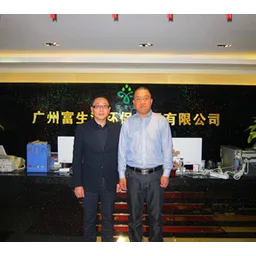
Fushengyuan is a renewable resource recycling service platform that specializes in wastewater treatment, utilizing advanced techniques such as activated sludge and biological membrane methods to effectively process domestic, industrial, and medical wastewater. The platform addresses the critical issue of water pollution by providing reliable treatment solutions that meet national discharge standards, ensuring environmental safety and public health.
The startup utilizes microbial cell factories to convert renewable feedstocks, such as industrial effluents and municipal sewage, into biohydrogen and valuable chemicals. This process addresses the dual challenges of wastewater management and the need for sustainable energy sources by providing clean energy and recovering green chemicals from polluted water.
DigitalPaani offers an IoT-enabled platform that automates the management of effluent treatment plants (ETPs) and sewage treatment plants (STPs) using real-time data from custom sensors and 75 algorithms to enhance operational efficiency. By transforming non-functional plants into compliant units, the platform reduces operating costs by 25-35% and conserves 58 million liters of freshwater per partnership.
Hydropleap utilizes electrocoagulation technology to remove suspended solids, metals, and oils from water without the use of chemicals. This process enhances water treatment efficiency while reducing the environmental impact associated with traditional chemical methods.
Amlaan River employs advanced water purification technologies and bioremediation methods to restore polluted water bodies across India. The startup addresses the critical issue of waterborne diseases and unfit drinking water, impacting millions of lives and contributing to significant health risks.
Rekosistem provides waste management and recycling services through a mobile app that facilitates waste collection and reporting, enabling users to manage their waste responsibly. The startup addresses the inefficiencies in the waste value chain by optimizing waste segregation and processing, having successfully recycled over 10,000 metric tons of waste.
Kata Recycling is an online and offline waste management platform that utilizes data analytics and logistics optimization to streamline the recycling process for businesses and consumers. The platform addresses the inefficiencies in waste disposal by providing accessible recycling services that enhance material recovery rates and reduce landfill contributions.
The startup offers a cloud platform that streamlines waste disposal operations by optimizing business processes and ensuring legal compliance through precise data management and analysis. This technology enables businesses to efficiently collect and manage the data required for regulatory adherence in a recycling-oriented economy.
P2P waste technology management company.
The startup operates a waste management platform that facilitates free doorstep pick-up of recyclable materials, including metal, paper, glass, and hard plastic, in collaboration with local waste collectors. Its system provides end-to-end traceability for plastic credits and compliance reporting, enabling clients to efficiently recycle waste while contributing to environmental sustainability.
The startup develops an AI-powered waste recycling robot that identifies, sorts, collects, and processes trash, specifically targeting plastics and aluminum cans. By incentivizing users with financial rewards for recycling, the company promotes sustainable waste management and encourages community participation in recycling efforts.
Ishitva Robotics Systems develops AI-powered robotic sorting solutions and IoT-enabled smart bins to enhance waste management efficiency and increase the recovery of recyclable materials. Their technology enables precise sorting at rates of 3,000 picks per hour, reducing manual handling risks and improving operational analytics through a cloud-based platform.
Boon develops AI-powered water purification and monitoring systems that provide sustainable access to clean drinking water while reducing reliance on single-use plastic bottles. Their technology addresses the critical issue of water scarcity and pollution, particularly in underserved regions, by implementing solar-powered solutions and circular hydration systems.
RePG Energy utilizes patented technology to generate electricity and potable water from latent heat and waste heat sources, employing principles of osmosis and diffusion without the need for turbines or generators. This system addresses energy inefficiency and water scarcity by enabling decentralized energy production and water generation in residential, industrial, and mobile applications.
The startup offers a cloud-based waste management system that connects waste generators, aggregators, and recyclers to facilitate compliance with extended producer responsibility (EPR) regulations. This platform enables FMCG and electronics brands to implement consumer awareness and take-back programs, promoting sustainable practices while generating measurable social, economic, and environmental benefits.
Duitin offers a digital platform for sorting and collecting recyclable waste, focusing on improving access to recycling information for families and communities. The platform facilitates the efficient management of used materials, such as baby diapers, while promoting zero-emission collection methods to enhance environmental sustainability.
Coppter Water Technologies has developed a copper-based water purification device that utilizes a proprietary electro-chemical process to provide ongoing antimicrobial disinfection, effectively replacing chlorine in pools, jacuzzis, and wastewater treatment systems. This technology addresses safety and environmental concerns associated with chlorine use, offering a cost-effective and eco-friendly solution for water sanitation.
Waste Log provides a digital platform for real-time waste tracking and management, enabling users to monitor and report waste disposal processes efficiently. By utilizing data-driven insights, the solution helps organizations reduce their environmental impact and achieve sustainability goals.
Ecowrap utilizes a tech-based reverse supply chain model focused on waste segregation at the source to enhance solid waste management. By promoting community participation, the company has successfully collected over 1,750 metric tons of waste, significantly reducing greenhouse gas emissions and conserving natural resources.
The startup provides eco-friendly waste management services that utilize integrated technology for efficient door-to-door collection and streamlined operations throughout the waste management value chain. By addressing inefficiencies in fragmented trash collection systems, the company enables businesses to enhance waste collection efficiency and promote cleaner communities.
Reinin operates an online platform that facilitates the recycling of post-consumer goods by providing instant buy-back quotes and on-demand pickups, eliminating the need for sorting. The service addresses the challenge of inconvenient recycling processes, enabling users to recycle electronics, textiles, and other materials easily while receiving payment within 24 hours.
Azure Flying specializes in intelligent manufacturing solutions that utilize Internet of Things (IoT) technology to enhance waste management processes. The company provides smart waste sorting and treatment systems, addressing the inefficiencies in waste disposal and resource recovery.
ECORENEW manufactures nanostructured oil separation filters and industrial wastewater treatment technology to effectively remove contaminants from industrial effluents. Their solutions address the critical issue of environmental pollution by enhancing the efficiency of wastewater management processes.
ScrapUncle is a platform that facilitates the scheduling of doorstep pickups for recyclable materials, including paper, plastics, and metals, using a network of trained and verified staff equipped with smart weighing scales. The service addresses the inconvenience of traditional scrap disposal by providing users with competitive rates and instant payments, ensuring responsible recycling practices.
Binsight utilizes AI technology and behavioral analytics to transform consumer waste data into actionable insights. This approach helps households reduce waste, save money, and optimize their waste management practices.
Nutri Industry utilizes insect-based bioconversion technology to recycle food waste locally, transforming it into sustainable protein while eliminating secondary waste. The startup addresses the global food waste challenge, where an estimated 66 tons of food waste are generated every second, with current recycling methods achieving only a 20% recovery rate.
The startup offers a supply chain management platform that utilizes OCR APIs to digitize documents, public database APIs to enhance ERP systems with external data, and blockchain integration for secure information management. This technology helps companies reduce carbon emissions and improve recycling practices while ensuring reliable data for sustainability initiatives.
Leju Technology utilizes AI-driven intelligent packaging and logistics solutions to create a sustainable, closed-loop supply chain that minimizes waste and carbon emissions. The company processes 30,000 tons of recycled materials annually, significantly reducing the environmental impact of traditional packaging and transportation methods.
Terracle utilizes a solvent-free, visible-light photocatalyst depolymerization process to recycle polyester-based waste streams, including low-grade and contaminated PET. This Terra-X technology breaks down polymers into high-purity monomers like Cr-TPA and Cr-EG at the molecular level. The resulting recycled monomers are drop-in chemical products that meet virgin material purity standards for immediate industrial use.
The startup operates a vertically integrated recycling facility that specializes in the recovery of metals from used lead-acid batteries through hydrometallurgical processes. By upcycling these batteries, the company reduces carbon emissions associated with battery disposal and promotes sustainable energy storage solutions.
The startup operates a landfill mining company that utilizes multi-step segregation, treatment, and recycling processes to manage legacy waste. By extracting valuable materials from landfills, the company addresses the environmental impact of accumulated refuse and promotes sustainable waste management practices.
CleanEdge Resources develops and integrates technologies for industrial wastewater treatment and waste-to-energy conversion, focusing on resource recovery and sustainability. Their solutions address the challenges of managing industrial waste while enhancing water recovery and generating renewable energy, contributing to a more sustainable future.
RecyclX provides an end-to-end chain of custody platform that utilizes dynamic QR codes, a 4-factor data validation algorithm, and blockchain technology to ensure traceability and transparency in the recycling process. The platform addresses the challenge of unverified sustainability claims by generating Digital Product Passports that detail the journey of materials from collection to recycling, enabling organizations to comply with environmental regulations and promote informed consumer choices.
Noovoleum utilizes proprietary AI technology to optimize the collection of Used Cooking Oil (UCO) from households and small producers, facilitating its recycling into eco-friendly products. By incentivizing participants through profit sharing, the company addresses the challenge of UCO disposal while promoting sustainable waste management practices.
This startup utilizes an AI-powered automation system and a high-speed, retrofittable 4-axis robot to enhance waste sorting accuracy by identifying and separating recyclables such as plastics, paper, and metal. By providing 95% more visibility in waste streams, the technology optimizes waste management routes, reduces operational costs, and supports sustainability initiatives.
Exposome develops chemisorptive, customizable molecular filters for air and water treatment, effectively recycling industrial pollutants into usable raw materials. The company addresses pollution and compliance challenges in sectors such as chemical manufacturing, pharmaceuticals, and textiles, significantly reducing harmful emissions and effluents.
Evreka provides a comprehensive, AI-powered platform for end-to-end waste management and recycling operations. The system digitizes processes through modules like route optimization, fleet management, and MRF management to enhance operational efficiency. This platform supports circular economy goals by turning waste into value with improved traceability and control across the service delivery chain.
WEGoT Solutions is a Cleantech company that has developed a platform integrating water, energy, and waste management resources to enhance sustainability in urban environments. This solution addresses the inefficiencies in resource utilization, enabling cities to optimize their environmental impact and reduce operational costs.
3R ZeroWaste utilizes waste-to-feedstock technology to convert over 1.8 billion tons of waste in India into reusable materials, significantly reducing reliance on fossil fuels. This process not only conserves energy but also lowers CO2 emissions, addressing the critical issue of waste management and environmental sustainability.
Padcare Labs provides a patented recycling solution for sanitary pads through its specialized PadCare Bin, enabling workplaces and communities to manage menstrual waste sustainably. This technology addresses the environmental issue of non-biodegradable sanitary products, which can take up to 800 years to decompose, by facilitating the recycling of millions of pads annually.
Waltr provides wireless water management systems that digitize water tanks by creating digital twins of water distribution infrastructure. This technology enables real-time monitoring and data analysis, addressing issues such as leaks and inefficiencies in water usage for buildings.
The startup develops smart water purification systems that utilize atmospheric water generation technology to extract moisture from the air, producing clean water with minimal maintenance and low energy consumption. This solution provides a reliable source of potable water in areas lacking adequate infrastructure, offering a cost-effective alternative for consumers.
This startup manufactures organic waste treatment systems that enable households in rural and suburban areas to process bio-waste on-site, recovering water for irrigation and producing compost and biogas. Their patented technology reduces landfill methane emissions and energy consumption, allowing municipalities and agro-industrialists to efficiently valorize organic waste.
The startup develops IoT-enabled devices for monitoring water quantity and quality, utilizing sensors like water level monitors and flow meters to gather real-time data. Their technology facilitates sustainable freshwater management in agriculture, industry, and domestic use, ensuring equitable distribution and efficient allocation of water resources.
Pituku offers a mobile application for waste management and recycling services, enabling companies in Indonesia to efficiently schedule waste collection and monitor disposal patterns. By providing data-driven insights and transparent pricing, Pituku helps businesses reduce overall waste management costs and work towards zero waste to landfill targets.
TrashBotics develops AI-driven robotic sorting systems to enhance waste segregation efficiency and reduce contamination in recycling processes. The company addresses the challenges of traditional waste management methods, which often lead to ineffective recycling and increased environmental impact.
Aabshar provides an AI-driven monitoring system that analyzes water flow and usage data to minimize water wastage and reduce utility costs. The technology enables businesses to achieve compliance with environmental standards while significantly lowering CO2 emissions and preventing water damage.
Palgae utilizes microalgae to capture atmospheric CO2 through photosynthesis, converting it into sustainable raw materials while mitigating carbon emissions. The company also purifies nutrient-rich wastewater from agricultural and industrial sources, transforming it into reusable water for agriculture, thereby conserving potable water resources.
Bintix utilizes AI and machine learning to collect, tag, and analyze household dry waste, transforming it into actionable data insights that enhance recycling and waste management practices. The startup addresses the issue of over 40% of waste, particularly multilayered plastics, ending up in landfills and oceans by increasing the value of waste through data-driven solutions.