DaNAgreen
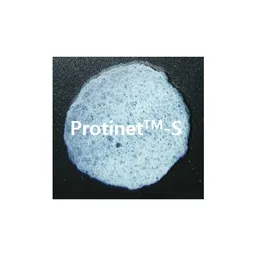
DaNAgreen grows meat from animal cells and makes Protinet™-P, a plant-based scaffold that gives those cells a three-dimensional structure to attach to and grow on. The scaffold is built on tissue-engineering methods the company says were developed for artificial organs, and it is designed to hold muscle fibre attachment so cells keep their original shape as they multiply. DaNAgreen also runs a pilot plant in Gasan, Seoul, where it has designed automated production equipment and facilities meant for commercial food manufacturing rather than laboratory work.
- Food Technology
- Biotechnology
- Clean Technology
Funding
Founders
Product
Problem
Most meat today comes from raising and slaughtering livestock, a process tied to greenhouse gas emissions and animal welfare concerns. Growing meat directly from cells has been hard to do at commercial scale because cells need a structure to attach to and keep their shape as they grow.
Solution
DaNAgreen cultures animal cells to produce meat while keeping the taste and texture of conventional meat. Its core product, Protinet™-P, is a plant-based scaffold: a three-dimensional support that cells attach to and grow along, so muscle fibres form and the cells hold their original shape. The scaffold draws on biomedical techniques originally developed for artificial organs. DaNAgreen also runs a pilot plant in Gasan, Seoul, where it has designed automated production equipment and facilities for commercial food manufacturing, moving the process out of the lab and into a food production plant. The company is working toward commercialisation of cultured meat food, and points to Singapore's regulatory approval framework for novel foods as a route to market.
Target Audience
Cultured meat producers and food companies looking to make cell-based meat at commercial scale.
Features
- Grow meat from animal cells rather than raising and slaughtering livestock.
- Attach cells to a three-dimensional plant-based scaffold so muscle fibres form.
- Keep cells in their original shape as they grow.
- Use production equipment designed for automated, commercial food manufacturing.
- Produce cultured meat the company says is Non-GMO.
- Work toward selling cultured meat as a finished food product.