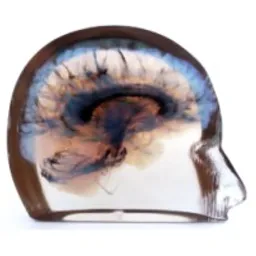
Tangible Industries translates complex anatomical data into precise, physical objects for applications in art, science, and surgery. The company's "Tangible Intelligence" process converts digital insights from medical scans into holdable, actionable forms, including surgical planning models and patient-specific implants. Its technology has been applied to cleft palate treatment and presurgical simulation, with peer-reviewed publications in 3D printing and additive manufacturing.
Funding
Funding not disclosed
Founders
Product
Problem
Surgeons often rely on 2D scans and mental reconstruction to plan complex procedures, which can limit precision and understanding of patient-specific anatomy. Standard medical fabrication methods are not designed to handle the dynamic, multi-modal data produced by modern imaging technologies.
Solution
Tangible Industries provides advanced fabrication and medical innovation services that translate complex anatomical data into physical, holdable objects. The company's process, called "Tangible Intelligence," takes digital insight from medical scans and converts it into precise physical forms that support understanding and decision-making. They design custom methods for each project, building the tools necessary to answer questions that conventional medicine or fabrication cannot yet address. Their output includes surgical planning models, patient-specific implants, and replicated anatomical structures for presurgical simulation.
Target Audience
Primary customers are surgeons, hospitals, and medical device developers requiring patient-specific surgical planning tools, implants, and procedure simulation. The technology also serves researchers and institutions working at the intersection of medical imaging, 3D printing, and additive manufacturing.
Features
- Bitmap-based 3D printing for surgical planning that incorporates dynamic physiological data
- Soft tissue printing techniques that accurately define and replicate soft tissue structures for surgical preparation
- Digital workflow designed for high-risk, low-volume procedure simulation
- Patient-specific implant design for individuals who do not fit standard medical device molds
- Cleft palate treatment applications that can be printed on site using patient growth patterns
- Voxel art services that replicate intricate natural forms, capturing volumetric essence